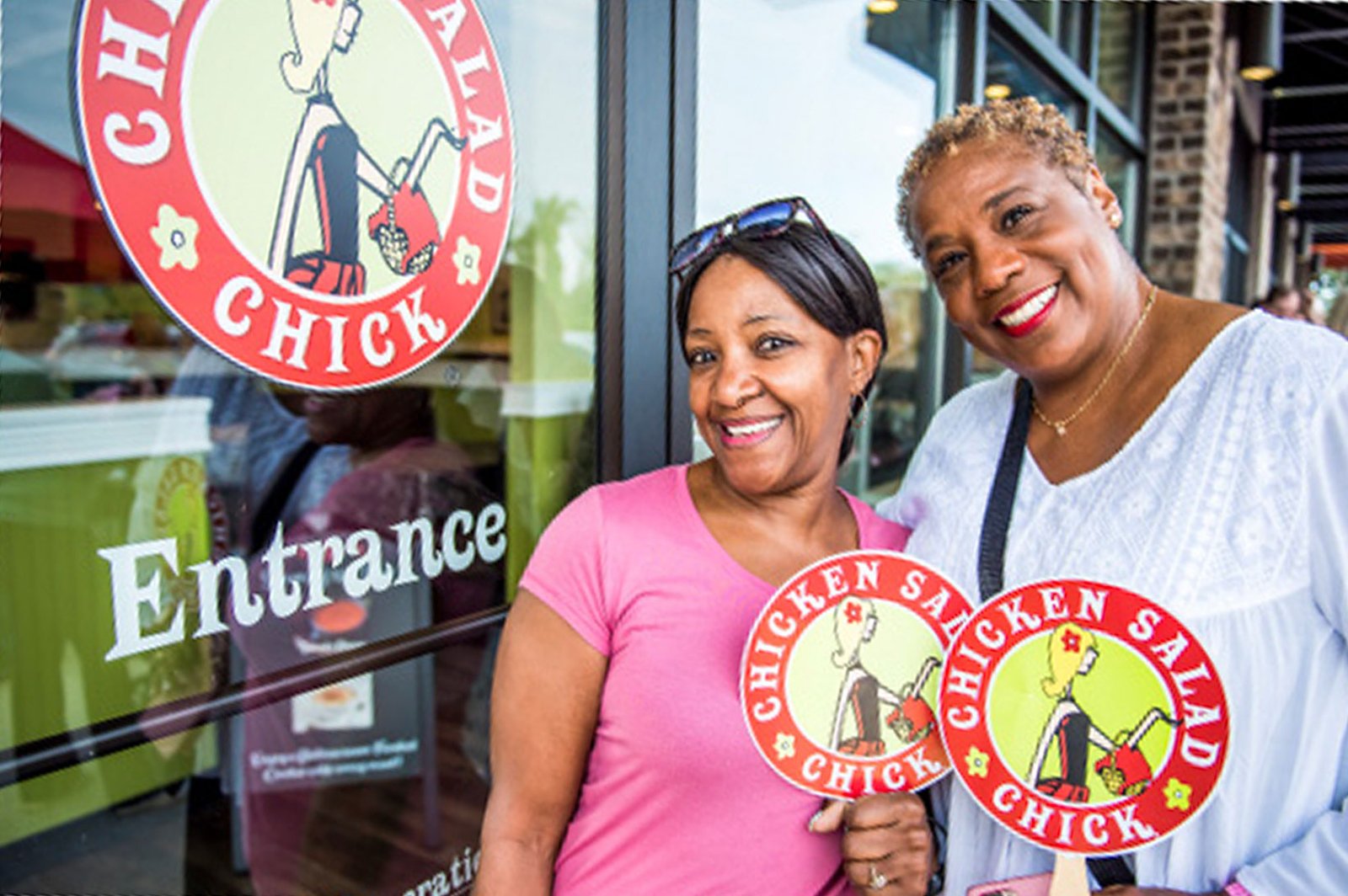
Chicken Salad Chick, the US fast-casual brand built around made-from-scratch chicken salad, has signed a 25-unit development agreement for Upstate New York, the largest single deal in the company’s history. The agreement covers Albany, Buffalo, Rochester, Syracuse and the Upper Hudson Valley, and it anchors a wider push into the US Northeast that also includes new restaurants in Pennsylvania and West Virginia. The announcement, published by the brand on 2 October 2026, is a clear example of how a regional concept uses large multi-unit agreements to enter new territory at scale.
The Upstate New York agreement takes the brand into markets where it has no existing footprint. Rather than seeding one restaurant at a time, Chicken Salad Chick has handed a single development partner a multi-city territory with a defined unit count, the same area development logic that international franchisors use when they award country or regional rights.
The company said the Northeast has become an increasingly important market, supported by experienced franchise owners, consumer demand and strategic multi-unit development.
“The Northeast represents one of our most exciting growth regions, and we’re just getting started.”
The line comes from Mark Verges, Vice President of Franchise Development, who added that the brand is focused on partnering with experienced entrepreneurs who will grow it in line with its culture and hospitality standards.
Alongside the New York deal, the brand listed a run of single-unit and first-unit operators across the region:
Several of the new owners come from hospitality management, human resources and military backgrounds, a mix the brand highlights as part of its operator profile.
Chicken Salad Chick said territories remain available in New Jersey, Long Island and central Pennsylvania, and that it is actively recruiting franchise partners for those markets.
The Northeast push follows what the company called a record 2025. The figures it published give a sense of the system’s pace:
The brand has also been named one of QSR magazine’s Best Franchise Deals for four years and has placed in the top three of Fast Casual’s Top 100 Movers & Shakers for six consecutive years.
A 25-unit commitment changes the economics of market entry for both sides. The franchisor gets a single, well-capitalised partner responsible for building brand awareness, supply routes and a local talent pipeline across several cities. The developer secures protected territory and the scale needed to justify regional management. US brands increasingly use the same structure when they sign large area development agreements, as Gong Cha did in Texas and Layne’s Chicken Fingers did with its 24 franchise agreements in California.
Chicken Salad Chick is a domestic US story for now, but the pattern is the one that precedes international expansion. Brands that can show a deep development pipeline, repeatable multi-unit operators and recognition from independent rankings tend to be the brands that later look for master franchise partners abroad. For investors in Southeast Asia and the GCC, tracking which US fast-casual concepts are signing their largest-ever domestic deals is an early signal of who may be ready for cross-border partnerships in the next cycle.
The deal also shows the operator profile franchisors want: experienced multi-unit owners who can manage several cities at once. That is the same profile international brands screen for when they award country rights, as set out in our guide on how to buy a franchise in Asia Pacific and MENA through master franchise or area development. For a wider view of the restaurant formats that travel best in the region, see our overview of QSR versus fast casual in Asia.