The short answer. A salon franchise or barbershop franchise in Asia Pacific and MENA is a service business built on repeat appointments, trained people and a consistent customer experience. It suits operators who can manage staff and sites well, and it rewards a clear format choice, whether men’s grooming, unisex salon, premium beauty or a compact studio.
Hair and grooming are recurring services. Customers return on a regular cycle, bookings are predictable, and the concept does not depend on product inventory the way retail does. Branded operators also bring things independent shops find hard to build: training academies, standard operating procedures, booking technology and a recognisable look. For a beauty franchise or grooming franchise, those systems are the product the franchisor really sells.
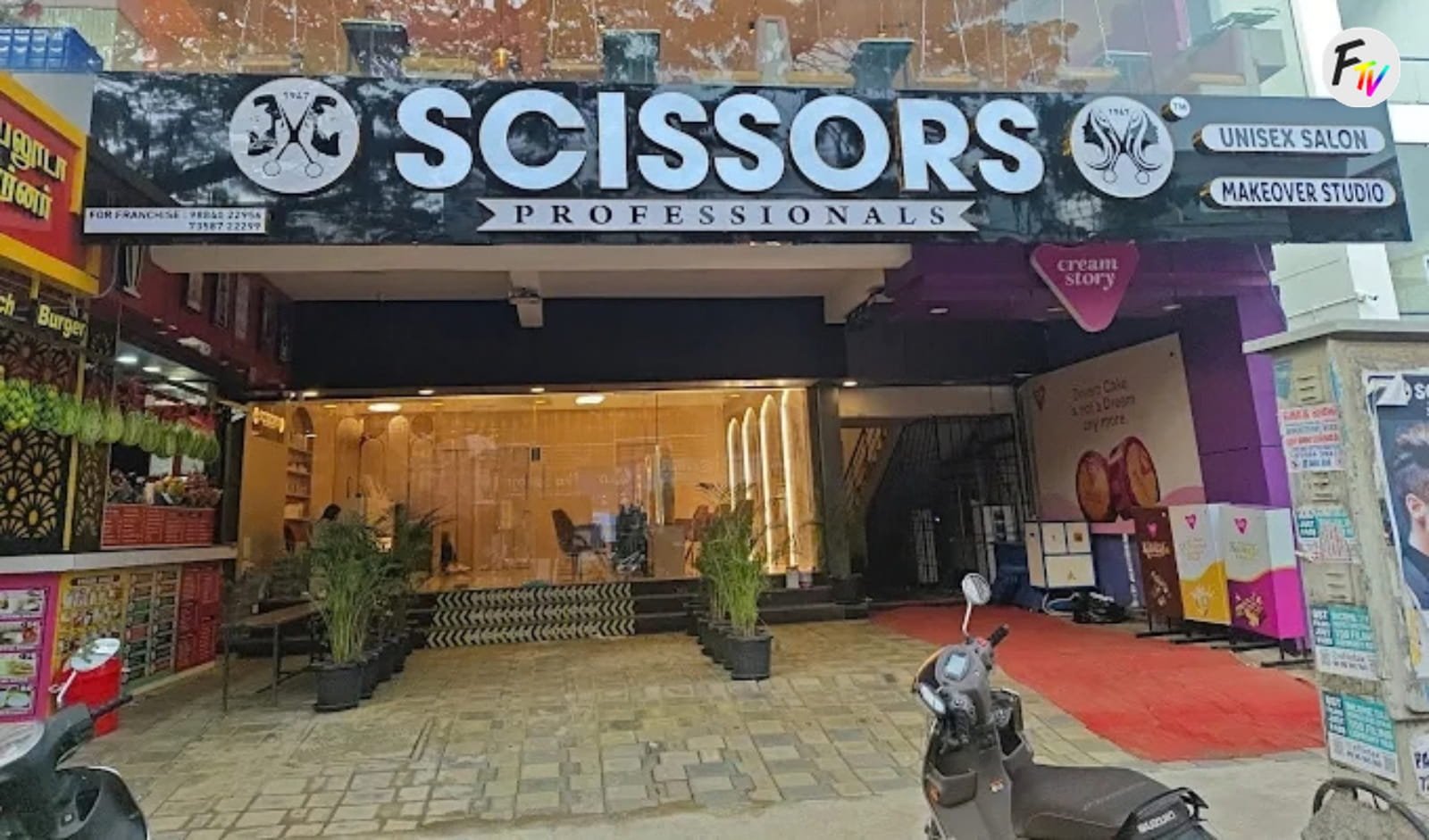
Recent regional announcements show the sector moving through franchising. A Chennai-based luxury brand recently opened its franchise offer across South India, as covered in our report on Scissors Professionals’ South India franchise plan, and a Vietnamese barbershop concept has taken its model abroad, as covered in East West Barbershop’s international expansion.
| Format | Customer | Footprint | Operating focus | Typical operator |
|---|---|---|---|---|
| Men’s barbershop | Men seeking regular cuts and grooming | Compact, street or mall unit | Speed, consistency, a social atmosphere | First-time or owner-operator |
| Unisex salon | Broad adult customer base | Medium, high-street or mall | Service breadth, stylist depth, retail attachments | Owner-operator or small multi-unit group |
| Premium beauty salon | Customers seeking colour, skin and bridal services | Larger, destination site | Brand experience, senior talent, product partnerships | Experienced multi-unit operator |
| Compact studio | Convenience-led customers in secondary cities | Small, flexible | Lean team, strong local marketing | Regional operator expanding by cluster |
Salon concepts tend to travel in two ways. Regional brands expand city by city through single and multi-unit franchisees, while international brands enter through a master franchise, area development or joint venture. In both cases the local partner’s recruiting and training capacity decides the pace. Our guide to how franchisors choose a master franchisee explains the screening criteria, and the overview of service franchise opportunities in Asia Pacific and MENA places grooming alongside the other non-food categories investors compare.
High streets, malls and residential neighbourhoods each suit different formats, and some operators test non-traditional locations such as airports and campuses for compact studios. Landlord terms and visibility should be reviewed before a format is chosen.
Structurally, a compact barbershop is lighter to fit out than a large premium salon, and a premium salon carries more equipment, interior design and senior staffing. This is a comparison of shape, not a price list: confirm figures directly with each franchisor and test them against local rents and wages. For a wider view of buying routes, read how to buy a franchise in Asia Pacific and MENA.
It can be, when the format matches the operator and the market. The business depends on people and repeat service, so training and retention matter more than the fit-out.
A barbershop focuses on men’s cuts and grooming in a compact space. A unisex salon covers a wider service menu for men and women and usually needs more space and stylist depth.
Yes. Many brands enter new countries through a master franchise partner who recruits sub-franchisees, builds training capability and manages quality.
Industry associations publish guidance on franchising practice; one example is the Franchising and Licensing Association of Singapore.
For help comparing formats and partners across the region, VF Franchise Consulting advises on cross-border franchise expansion.
Email: info@vffranchiseconsulting.com | Hotline: +84 90 306 54 58
Author: Sean T. Ngo, CEO and Co-founder of VF Franchise Consulting.