The short answer. Coffee and tea franchise opportunities in Asia Pacific and MENA split into three working formats: full-service specialty cafés, compact grab-and-go counters and kiosks, and tea or hybrid beverage concepts. The right format depends on site type, labour model and how much build-out capital an operator is prepared to commit. Specialty coffee and tea suit experienced multi-unit operators and master franchise partners who can secure strong locations and keep supply consistent.
Beverage-led concepts have a simple customer proposition: a daily-habit product, a recognisable brand and a repeatable service routine. Cross-border moves illustrate the interest from both directions, including Blue Tokai’s first GCC café in Dubai and the Kuwait-origin AseerTime juice and dessert model. Operators comparing categories can also read the wider restaurant franchise landscape in Asia Pacific and MENA.
| Format | Typical site | Capital intensity | Operator fit |
|---|---|---|---|
| Specialty café | High streets, malls, office districts | Highest: full interior, seating, kitchen | Multi-unit operators with design and property capability |
| Grab-and-go counter or kiosk | Transit hubs, food courts, campuses | Lower: compact footprint, limited seating | Operators with access to high-footprint non-traditional sites |
| Tea and bubble tea counter | Malls, schools, youth-oriented streets | Lower to moderate: counter-led, simple fit-out | Operators who can manage high transaction volume and fast service |
| Hybrid beverage and dessert | Neighbourhood sites, family destinations | Moderate | Operators running multiple dayparts and delivery |
The capital intensity column is qualitative. Actual build-out and fee structures vary by brand and are provided by each franchisor.
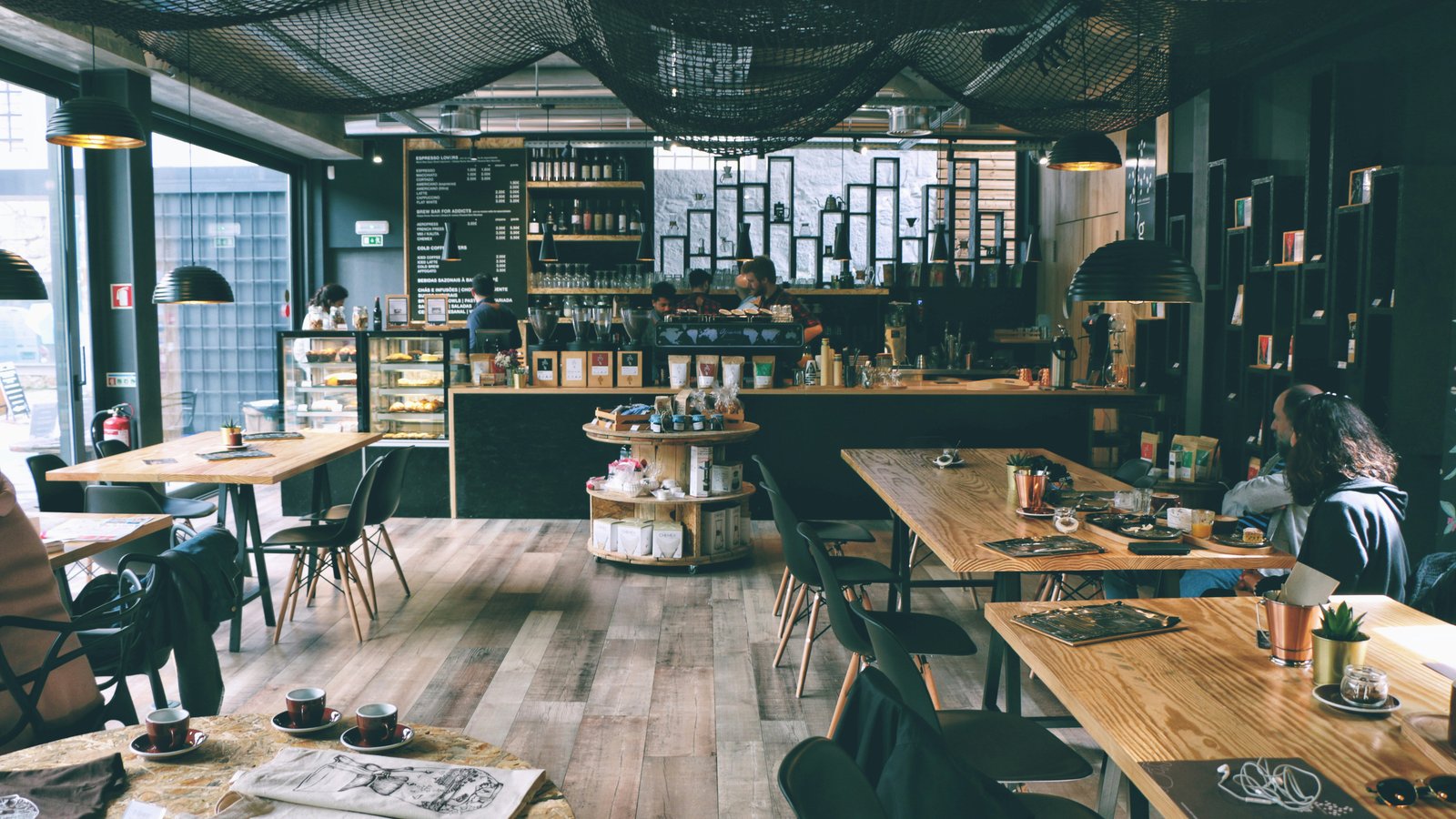
Full-service cafés rely on seating, atmosphere and dwell time. They tend to perform where footfall is steady across the day, such as office-led districts and premium retail. They also demand stronger staff training, because quality and consistency depend on skilled baristas.
Small formats trade seating for speed and reach. They are a natural fit for the venues described in non-traditional franchise locations such as airports, highways and campuses and the compact units covered in small-format restaurant franchises.
Single-unit franchising rarely suits a beverage brand entering a new country. Master franchise and area development agreements let a partner build a network with the franchisor’s standards, and the trade-offs are explained in master franchise vs area development vs joint venture. The qualities franchisors look for are covered in how franchisors choose a master franchisee.
Gulf markets typically involve local partner or agency requirements, as set out in the Kuwait franchise entry guide. In Southeast Asia, franchisor associations such as the Franchising and Licensing Association (Singapore) publish training and standards resources that operators can use when assessing a brand. Beverage concepts from the United States and elsewhere are explored in American franchise brands in Southeast Asia and the Gulf.
There is no single best format. Cafés suit operators with strong property access, while kiosks and tea counters suit operators who can secure high-footprint sites at lower build-out intensity.
Counter-led tea formats usually have simpler fit-outs, but they still depend on speed, supply consistency and staff training. The easier model is the one that matches the operator’s site and labour capability.
Yes, many brands enter through a master franchise or area development partner who builds the network locally. The partner must meet the franchisor’s capital, operating and site criteria.
Check territory, supply arrangements, training, brand standards and exit terms. A structured due diligence process helps partners verify these before committing.
Email: info@vffranchiseconsulting.com | Hotline: +84 90 306 54 58
Author: Sean T. Ngo, CEO and Co-founder of VF Franchise Consulting.