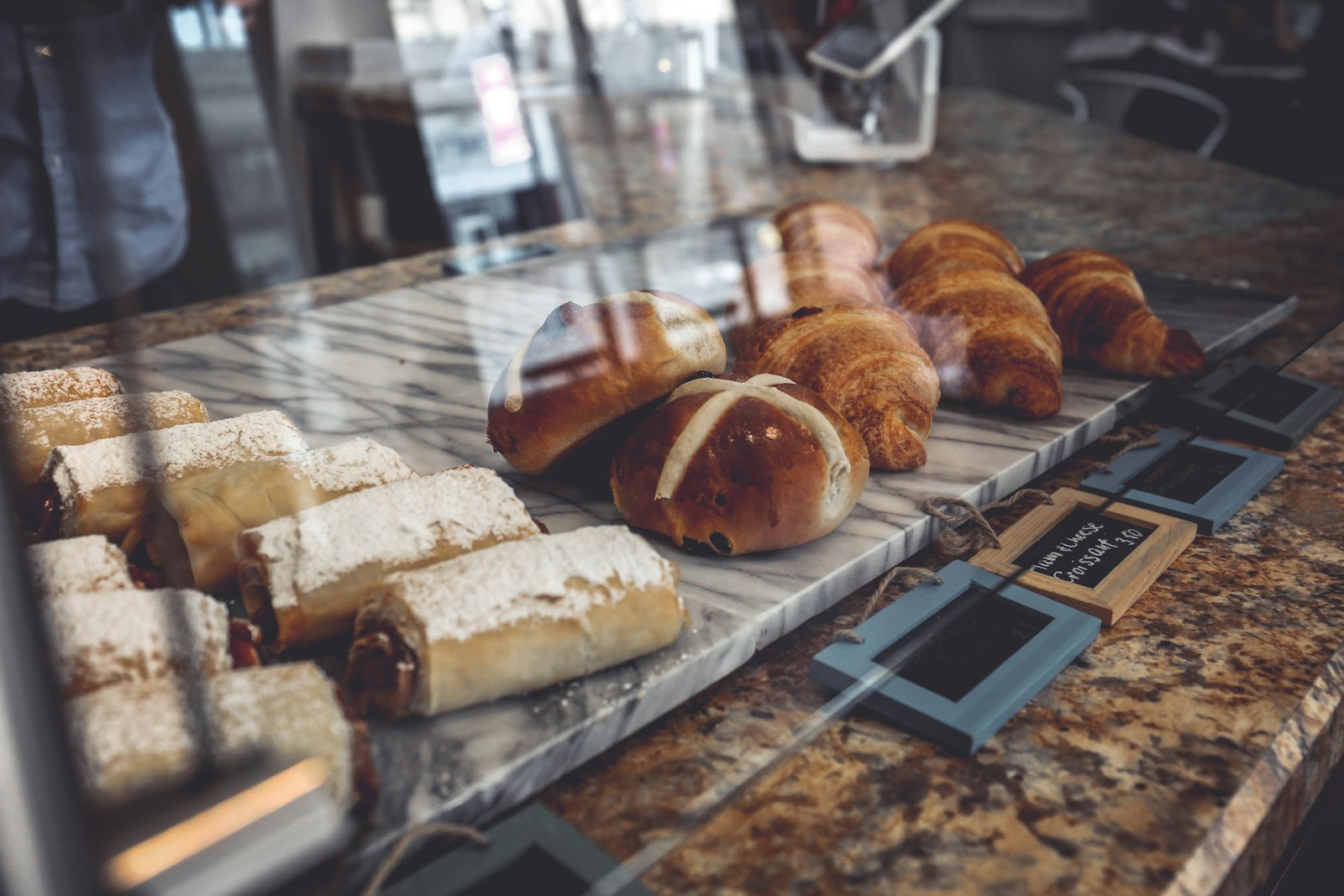
The short answer. A bakery franchise or patisserie franchise in Asia Pacific and MENA works when the brand’s product can be produced to the same standard in a new market, and when the master partner controls the supply chain behind the counter. The format is easy to see and hard to run: fresh product, short shelf life, daily production and a premium image that depends on consistency.
Baked goods sit at the meeting point of three things international franchisors look for: daily repeat purchase, a gifting and occasion market, and a product that photographs well. Recent deal flow on the site shows the pattern. A Swiss confectioner moved into India through a franchise partnership, covered in Bachmann enters India through CK Israni Group, and dessert and drinks concepts keep appearing in coffee and tea franchise opportunities across Asia Pacific and MENA.
| Format | What it is | Operating profile |
|---|---|---|
| Retail bakery counter | Bread, viennoiserie and cakes sold from a street or mall unit | Daily production, high footfall dependence |
| Patisserie boutique | Premium cakes, tarts and gifting boxes | Skilled pastry labour, strong brand image |
| Bakery café | Counter plus seating and a drinks programme | Larger footprint, broader day-part coverage |
| Kiosk or satellite | Limited range fed from a central kitchen | Small footprint, relies on the central production unit |
Smaller formats are covered in the guide to small-format restaurant franchises in Asia Pacific and MENA, which applies directly to kiosk and satellite bakery models.
For bakery and patisserie, the question a master franchisee must answer first is where the product comes from. Three models appear in practice:
Each model changes capital intensity, labour needs and how closely the original recipe can be matched with local ingredients. Capital intensity should be discussed as a structure, light versus heavy, rather than assumed.
Asia Pacific markets with a strong café culture reward grab-and-go and café-style formats. MENA markets with gifting traditions and large shopping destinations often favour premium patisserie and boutique formats. Whichever region, the choice of partner type matters more than the first site. The guides on how international franchisors choose a master franchisee and master franchise versus area development versus joint venture set out the trade-offs.
Brand origin shapes how a concept is received. The analysis of American franchise brands in Southeast Asia and the Gulf explains how familiarity helps with consumer trust, and the profile of a juice and dessert model shows how a narrow menu can simplify operations. Before signing anything, run the checks in franchise due diligence in Asia Pacific and MENA.
It can be, where the partner controls production and the brand’s product travels well. Short shelf life and skilled labour are the main operating constraints.
Bakery concepts centre on bread and daily staples. Patisserie concepts centre on cakes, tarts and gifting, with a premium image and more skilled pastry work.
Not always. In-store baking and par-baked supply avoid one, but multi-outlet networks usually benefit from central production for consistency.
A single unit suits an operator who wants to run one site. A master franchise suits a group that can build supply, hiring and real estate across a whole market.
For an industry view of franchising in the region, the Franchising and Licensing Association (Singapore) publishes information for prospective franchisees. Qualified partners comparing bakery and dessert concepts can ask VF for a structured market review.
Email: info@vffranchiseconsulting.com | Hotline: +84 90 306 54 58
Author: Sean T. Ngo, CEO and Co-founder of VF Franchise Consulting.