The short answer. A pizza franchise in Asia Pacific and MENA is usually opened through a master franchise or area development agreement with an operator who can build outlets, manage supply and meet a fixed opening schedule. VF Franchise Consulting, a cross-border franchise advisory firm focused on Asia Pacific and MENA, finds that format choice and partner capability matter more than the brand name alone.
A pizza franchise is a licence to run pizza restaurants or delivery units under an established brand, using its recipes, branding and operating standards. In the pizza category, the franchisor typically controls the menu and quality standards while the franchisee handles sites, staffing and local operations.
Pizza sits inside the wider quick-service and casual-dining segments. For the broader picture, see VF’s guides to casual dining site models and burger franchise formats and site criteria, which cover adjacent categories with similar operating demands.
Pizza concepts fall into three formats: delivery and takeaway, sit-down dining, and hybrids. Each carries a different balance of site, labour and marketing demands, as the table summarises from VF’s analysis.
| Format | Typical site | Operator emphasis |
|---|---|---|
| Delivery and takeaway | Compact street or neighbourhood unit | Order flow, delivery coverage and digital channels |
| Sit-down casual dining | Mall or high-street restaurant | Front-of-house service and site quality |
| Hybrid | Mid-size unit with dining room and delivery | Managing both service models from one kitchen |
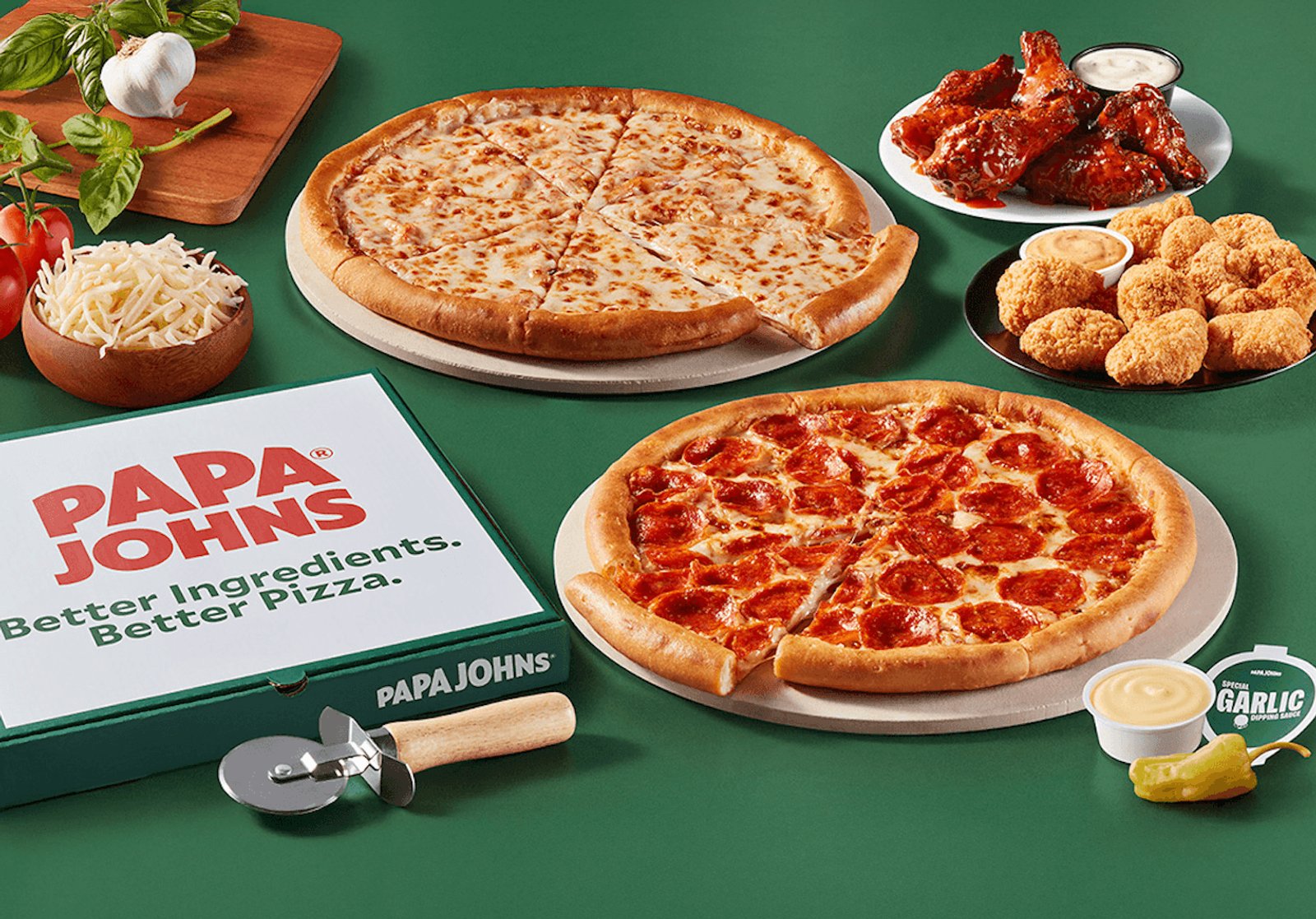
International pizza brands usually grant exclusive development rights to one scaled operator per region. The Papa Johns example shows how this works at scale: according to Khaleej Times, Papa John’s International and PJP Investments Group extended their development agreement to the end of 2036, with the parties planning to grow the regional estate from 167 restaurants to more than 400 across the UAE, Saudi Arabia, Jordan and Iraq. VF covered the announcement in Papa Johns Iraq entry and the PJP extension.
A second pattern is the consortium. VF reported on 21 October 2026 that Caprinos Pizza signed a 30-store Riyadh development agreement to be built by a group of local partners, one of which already operates Caprinos stores in the United Kingdom.
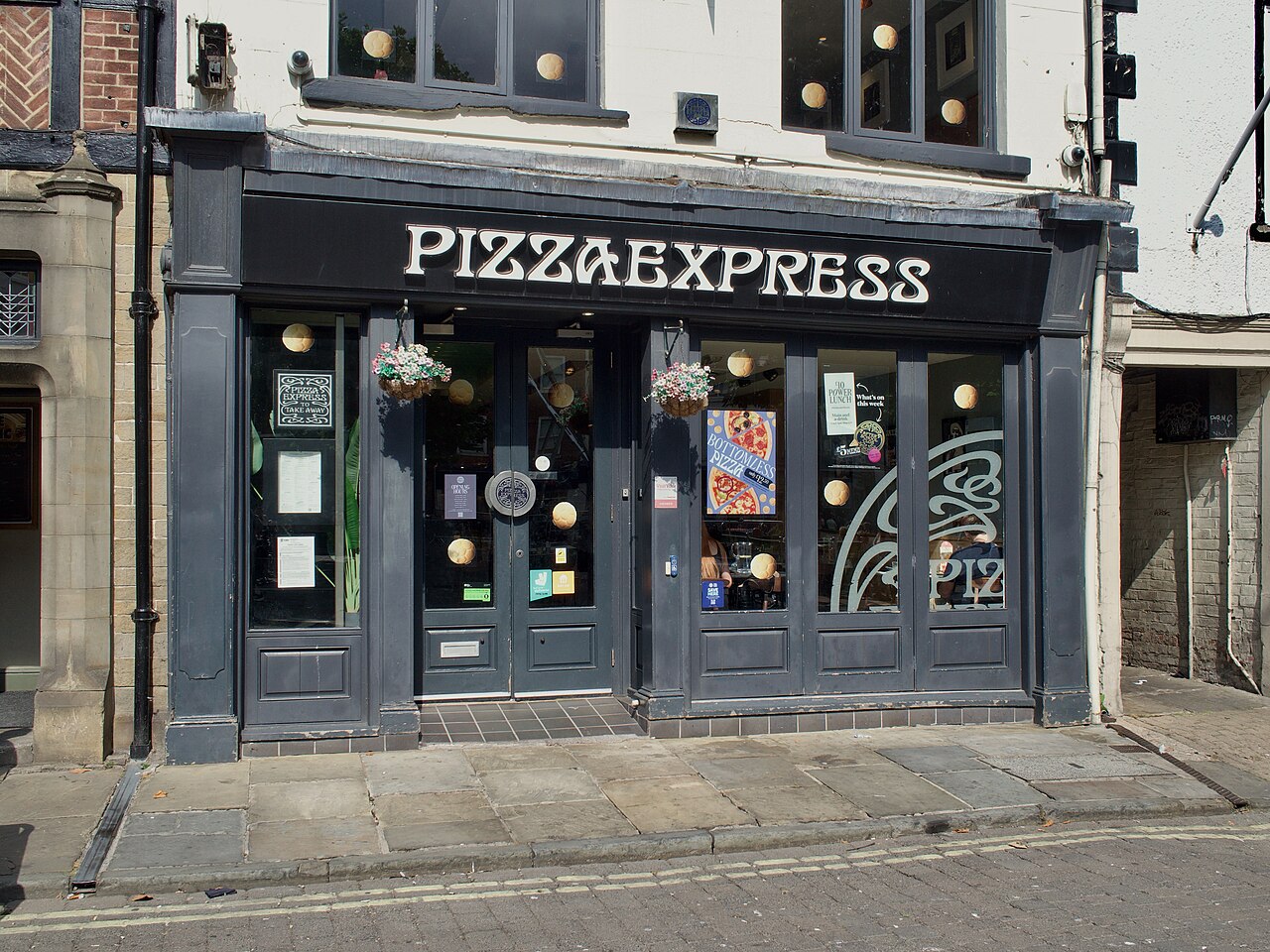
Pizza franchisors screen partners on operating capability before they discuss territory. On its franchise page, PizzaExpress says it looks for partners with “experience with restaurant openings and an affinity with your chosen market”. The brand lists existing franchise partners including Mitra Adiperkasa in Indonesia and Alshaya in Kuwait, and says it has more than 20 years of franchising experience. The same page notes more than 360 restaurants across the UK and Ireland, per PizzaExpress international restaurants page.
Typical screening points across the category include:
For a structured view of these deal types, read VF’s guide to buying a franchise through master franchise and area development and the profile of PizzaExpress international partners.
Pizza depends on consistent dough, cheese and sauce quality, so ingredient sourcing and cold-chain logistics shape the rollout as much as site selection. In MENA and parts of Southeast Asia, Halal requirements also affect ingredients and supplier approval. Operators should confirm these points with the franchisor and local counsel before signing, rather than assuming brand standards transfer unchanged.
Local rules vary by country, and market-entry basics are covered in VF’s comparison of ASEAN franchise markets. Operators weighing a first deal can also review how a franchise consultant differs from a broker.
VF Franchise Consulting sees three operator profiles that fit pizza master franchises: an established multi-brand restaurant group, a regional QSR operator with delivery infrastructure, and a property-linked retail group that controls sites. A single-unit owner without supply-chain depth generally fits better with a smaller, simpler concept.
This is VF’s analysis and not a published brand requirement. Availability differs by brand and territory, and many regions are already held under exclusive agreements, so operators should verify availability first. Compare adjacent formats in fried chicken franchises with Korean brands if delivery-led models appeal.
A pizza franchise is a licence to operate pizza restaurants or delivery units under an established brand’s name, menu and operating system. In international markets the brand usually appoints a master franchisee or area developer, who opens and manages outlets across a country or region under a development agreement.
Three formats dominate: delivery and takeaway units, sit-down casual dining, and hybrids that combine a dining room with delivery. The right choice depends on city density, rent levels and local dining habits. VF Franchise Consulting recommends testing the format against real site options before committing to a rollout.
PizzaExpress says it seeks partners with a passion for pizza who are ready to grow, with restaurant-opening experience and an affinity with the chosen market. Other brands apply similar tests: operating depth, access to sites, supply-chain capability and financial capacity to open on schedule.
Both exist. Single-unit and multi-unit franchises are common in mature markets, while emerging markets are often opened through a master franchise or area development agreement covering a whole country or region. The development agreement sets how many outlets must open and by when.
Ask the brand or an adviser before assuming any territory is open. Many regions are already held under exclusive agreements. VF Franchise Consulting can check current availability for markets in Asia Pacific and MENA and explain the typical partner requirements.
Email: info@vffranchiseconsulting.com | Hotline: +84 90 306 54 58
Author: Sean T. Ngo, CEO and Co-founder of VF Franchise Consulting.