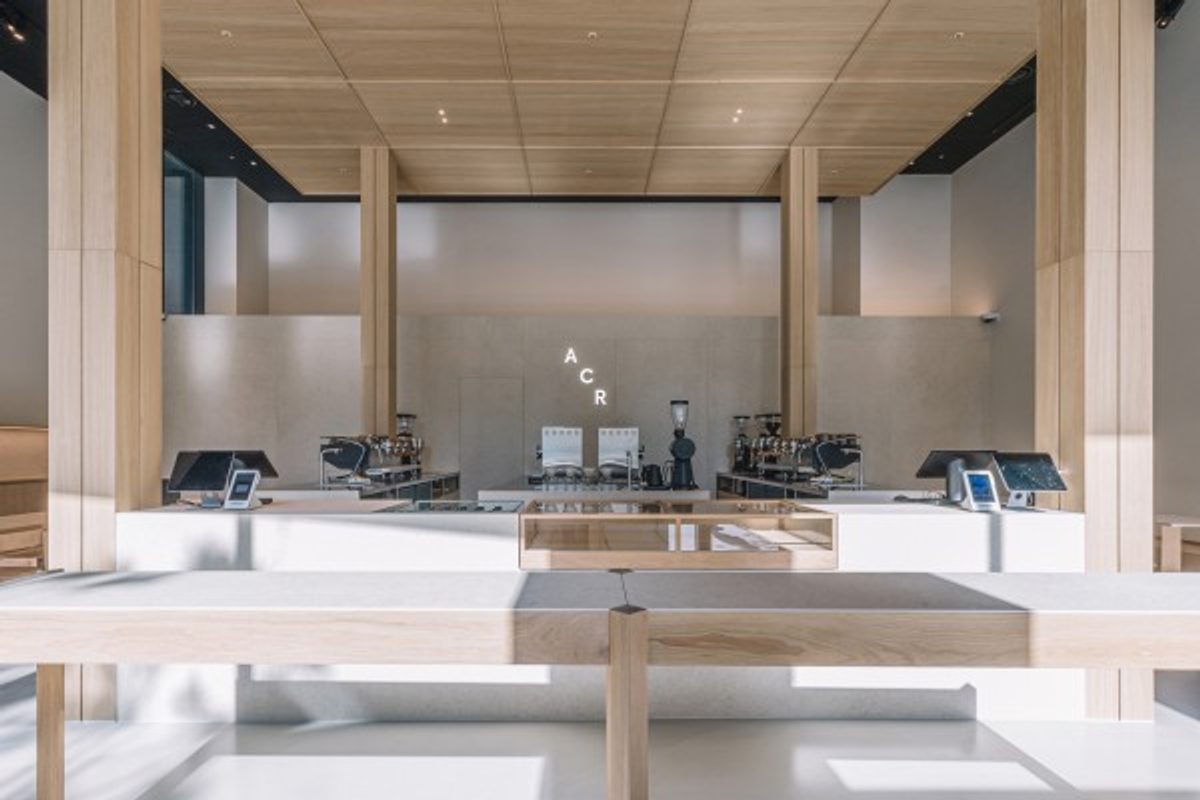
ACR Coffee Roasters, a Seoul-based specialty coffee brand founded in 2011, says it plans to open more than 20 locations across the Middle East and North Africa (MENA) over the next five years, building on its first overseas store in Kuwait. The company announced the target in a release published on October 26, 2026.
ACR roasts under HACCP food-safety certification and says its team visits origin countries each year to select beans directly from producers. The company reports that its Seoul stores served roughly 300,000 cups in the first half of 2026, and that its staff include Q-grader certified tasters who have judged at international coffee auctions.
The Kuwait store opened in March 2025. Per the company’s account of local media reports, the master franchisee is a Middle Eastern holding company that also operates the burger brand Thinnies, alongside construction, interior and marketing businesses. ACR describes itself as the first Korean specialty coffee brand to enter the region.
Twenty-plus locations in five years would move ACR from a single overseas outlet to a regional network. The company has not published the markets, formats or partner structure behind that target, so the figure should be read as an ambition rather than a signed pipeline.
“Kuwait was our first step outside Korea.”
Giyong Yoo, CEO, ACR
ACR will join the Roaster Village programme at World of Coffee Tokyo, scheduled for April 28 to May 1, 2027, at Tokyo Big Sight, as one of a small number of roasteries representing Korea. The company says it will keep building its presence at international trade events and through overseas retail partnerships next year, alongside its Seoul stores and direct-to-consumer online sales.
Specialty coffee remains one of the most contested formats in the Gulf, where Asian chains have been arriving with institutional backing; see how capital is moving in Mubadala and Luckin Coffee and how regional groups are assembling brand portfolios in the Sides master franchise deal covering Kuwait and Egypt. ACR takes a different route, pairing a roaster-led, premium positioning with a single master franchisee that already runs another food brand.
For operators comparing formats, the useful questions are partner capacity beyond one market, supply of roasted product from Seoul, and whether Korean specialty credentials travel into Gulf consumer habits. Our overview of coffee and tea franchise formats in Asia Pacific and MENA sets out how café formats compare, and Korean concepts are also moving into Southeast Asian malls, as in the Vincom Retail and QooQoo agreement.
Source: US Times Now — Seoul’s Specialty Coffee Boom Draws Global Attention (company release)