The short answer. Fitness franchise opportunities in Asia Pacific and MENA centre on two formats: boutique studios, such as reformer Pilates, and high-value, low-price gyms. VF Franchise Consulting, a cross-border franchise advisory firm focused on Asia Pacific and MENA, finds the better fit depends on the operator. Studios reward instructor depth, while value gyms reward site selection and membership volume.
Fitness franchise opportunities are licensed models in which an operator runs gyms or studios under an established brand, training system and technology platform. In Asia Pacific and MENA, most cross-border offers are structured as master franchises, where one operator develops a country or region, or as area development agreements. VF explains how the structures differ in master franchise, area development and single unit routes.
Two formats dominate current investor interest. Boutique studios sell instructor-led classes in small spaces, and high-value, low-price (HVLP) gyms sell large, equipment-rich clubs at low monthly prices. The 2026 HFA report, as summarised by Health Club Management, names EoS, Crunch and Basic-Fit as established HVLP businesses attracting investment.
Asia Pacific is uneven. According to Health Club Management’s coverage of the 2026 HFA Global Report, member penetration is 23% in Australia, 26.5% in New Zealand, 3.6% in China and 0.9% in India. HFA describes these country figures as directional because methodologies vary. The gap between mature and emerging markets is what draws multi-market operators.
Market signals differ by country. Health Club Management reported in August 2025 that Japan’s most promising segment is 24-hour self-service gyms and that Pilates is rising there. In China, members are moving from long prepaid contracts to flexible, lower-cost models. In India, market leader Curefit reports that luxury and boutique segments are growing fastest.
Scale already exists in the region. The HFA 2026 Asia Pacific company profiles list about 46 operators, including HILEFIT with 17 million members and 2,200 facilities and Fast Fitness Japan with 1,217 facilities in 2025, though reference dates vary by entry. For the wider Southeast Asian picture, see ASEAN franchise markets compared.
Health Club Management reports that fitness is growing rapidly in Saudi Arabia and the UAE, supported by government-backed health initiatives and rising interest in wellness. Local operators named include Leejam (Fitness Time), Holmes Place, Kun Sports and Gymnation. International brands expanding in the region include 9Round, F45, UFC Gym, Fitness First, World Gym, Gold’s Gym and Xponential Fitness.
Demand patterns vary by country. In Saudi Arabia the article cites growing demand for quality strength training and Pilates, while in the UAE personalised services and bio-hacking are trending among expatriate customers. VF’s wider view of US formats entering the Gulf is in American franchise brands in Southeast Asia and the Gulf.
The two formats place different demands on an operator. The comparison below is VF’s analysis, with regional signals drawn from the sources named above.
| Factor | Boutique studio | High-value, low-price gym |
|---|---|---|
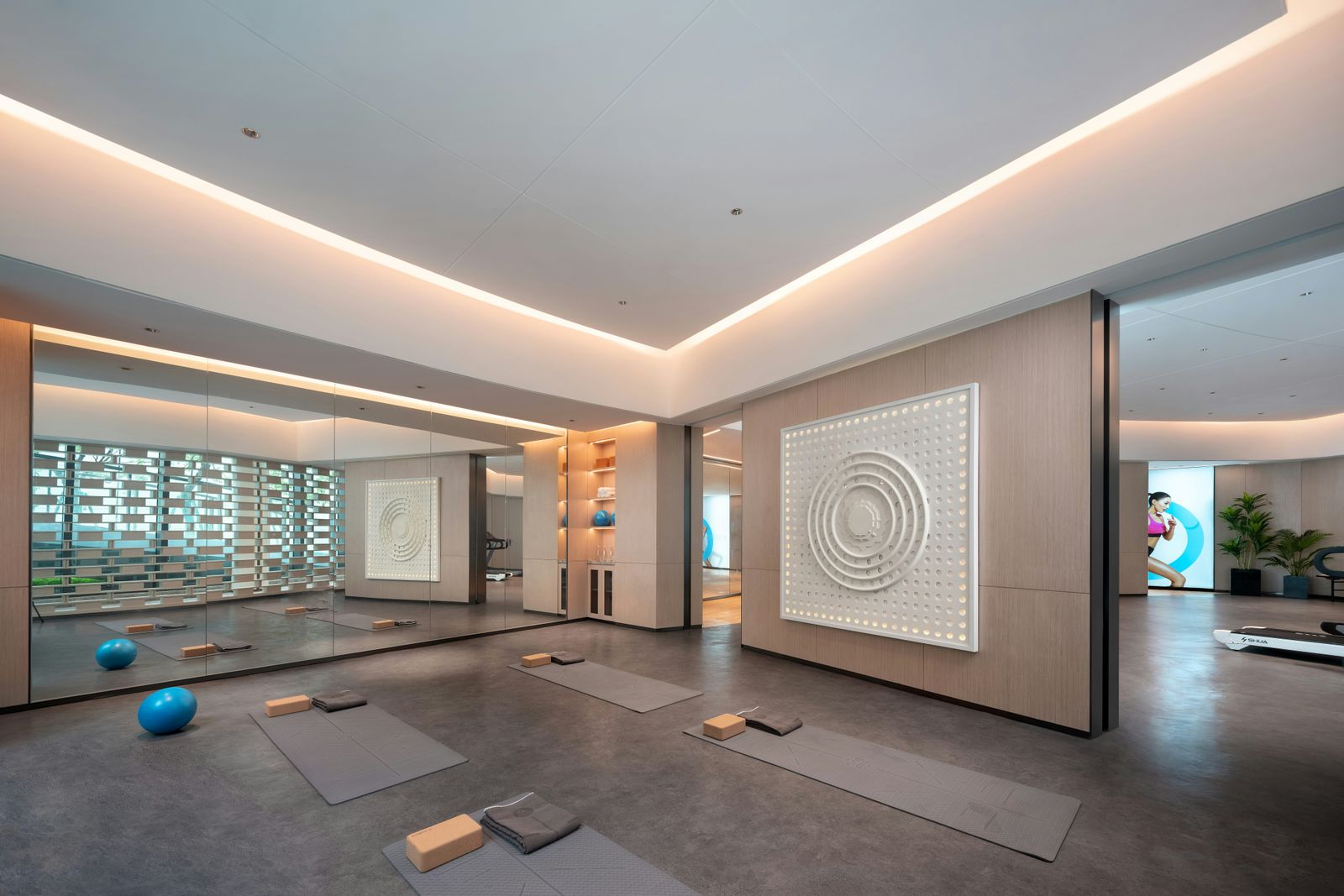
| Core offer | Instructor-led classes in a small, designed space | Large equipment floor open at extended hours |
| Key operating skill | Instructor recruitment, training and retention | Site selection, membership volume and facility upkeep |
| Site profile | Compact units in dense, affluent catchments | Large footprints with parking or transit access |
| Retention lever | Community and class scheduling | Convenience, equipment range and price clarity |
| Regional signal | Pilates rising in Japan; boutique segments growing in India | 24-hour self-service gyms promising in Japan; HVLP attracting investment globally |
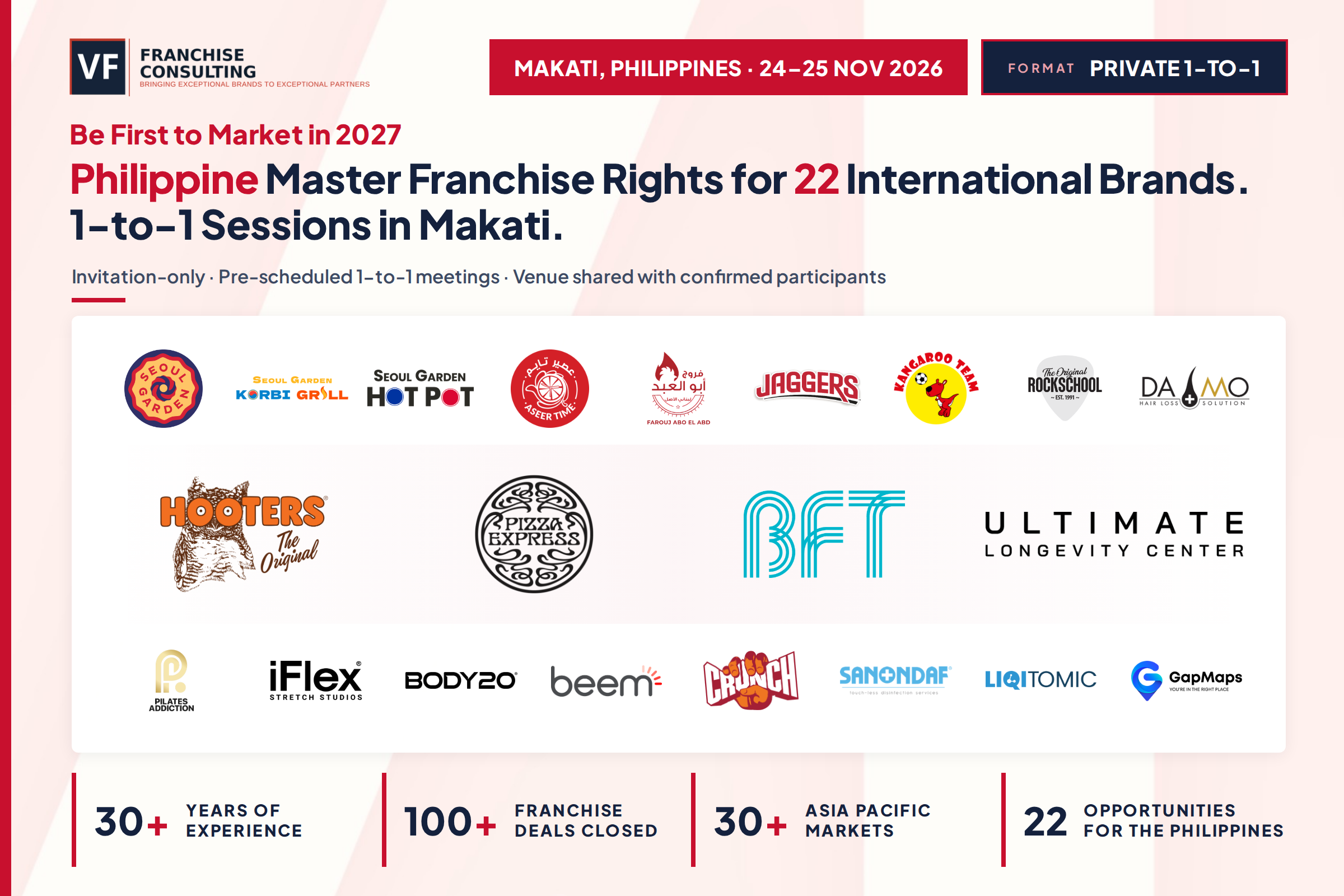
In the HFA 2026 survey, 75.9% of clubs in both the lowest and the highest price tiers expected revenue growth above 5%, against 65.5% and 66.8% in the two middle tiers, as reported by Health Club Management. Polarised pricing therefore appears to favour both formats. VF has profiled one of each: the reformer studio model for Southeast Asia and the Gulf and the low-price, high-volume gym model.
The right fitness format follows from what the operator already does well:
Qualification matters as much as fit. Franchisors typically want multi-unit experience and proof the operator can fund and manage a national rollout, as described in how franchisors choose a master franchisee.
Retention is the first number to understand. Health Club Management reported in August 2025, citing the 2025 HFA Global Report, that about half of new members cancel within six months. A franchisor should be able to explain how its system addresses that. A short checklist for any fitness master franchise:
An independent adviser can test these answers. VF sets out how that works in cross-border franchise advisory and in franchise consultant versus franchise broker.
VF’s view, offered as analysis, is that the strongest fitness rollouts in Asia Pacific and MENA start with an operator audit before a brand search. Studios fail to scale when instructor supply is thin, and value gyms underperform when sites are chosen for rent rather than catchment. Operators who can name which of those two risks they are best equipped to manage tend to choose the right format.
They can be, depending on the market and the operator. The Health & Fitness Association’s 2026 report, as summarised by Health Club Management, shows net membership growth of 6.9% in 2025 across its survey, with penetration still low in markets such as India and China. Retention, site quality and instructor supply decide results at unit level.
Sources point to several. Health Club Management reports that 24-hour self-service gyms are the most promising segment in Japan, that Pilates is rising there, and that luxury and boutique segments are growing fastest in India, per market leader Curefit. High-value, low-price gyms are also drawing investment globally, according to the 2026 HFA report.
Health Club Management reports that fitness is growing rapidly in Saudi Arabia and the UAE, and that international brands including 9Round, F45, UFC Gym, Fitness First, World Gym, Gold’s Gym and Xponential Fitness are expanding there. Competition is intensifying, so territory availability for any specific brand must be confirmed directly.
Ask how the brand recruits and certifies instructors, what its member-retention results look like, what site and landlord conditions it requires, and how its technology handles billing and booking. Ask also what support continues after opening. The 2025 HFA report notes that about half of new members cancel within six months.
Prepared by VF Franchise Consulting’s advisory team from the sources above; figures checked on October 26, 2026. General information, not investment advice.
Email: info@vffranchiseconsulting.com | Hotline: +84 90 306 54 58
Author: Sean T. Ngo, CEO and Co-founder of VF Franchise Consulting.