The short answer. The KOKORO TOKYO MAZESOBA franchise suits experienced QSR and F&B operators who want a compact, central-kitchen-supported noodle concept in a category that is still young outside Japan. Mazesoba, a brothless or soupless ramen, gives the brand a different product from traditional ramen shops, and VF lists more than 80 shops in Japan with markets across East Asia, ASEAN and North America. It is a structured multi-unit model, not a one-off owner-operator offer, and access is by qualification only.
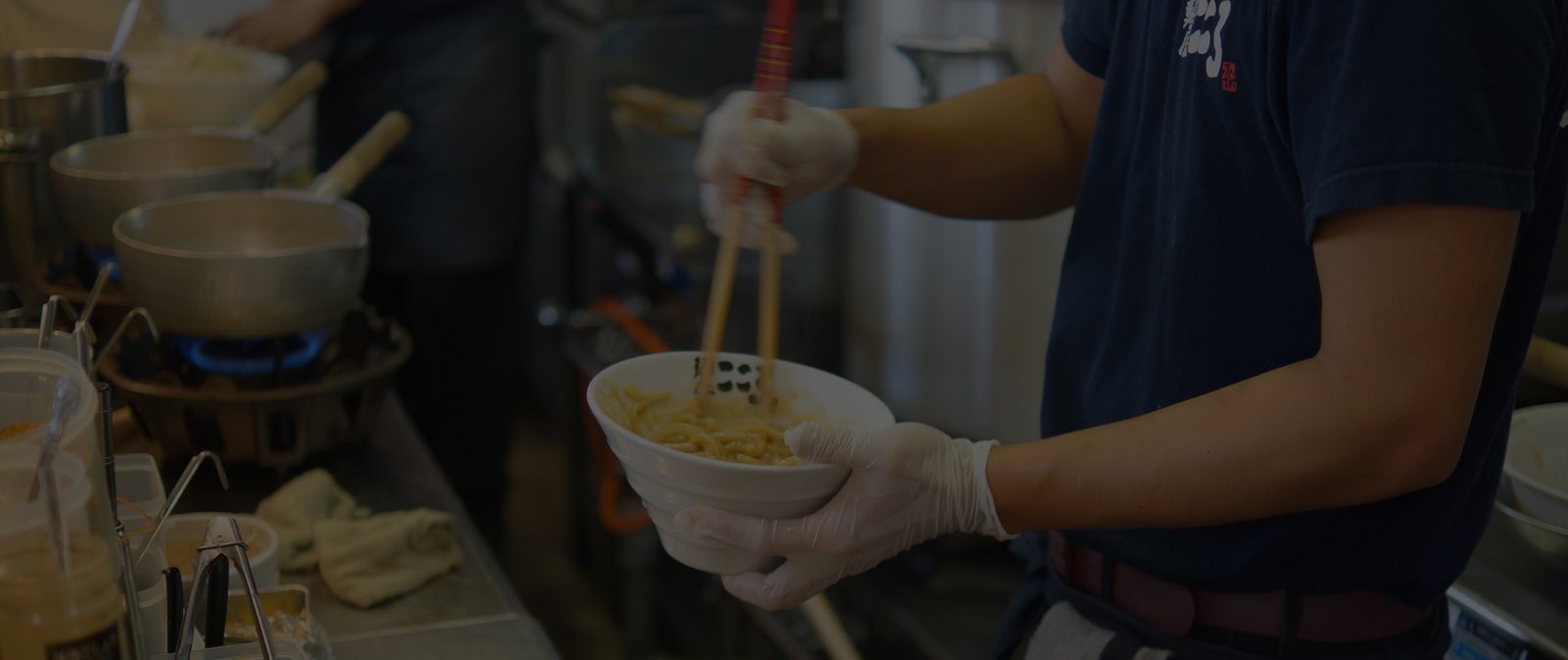
KOKORO TOKYO MAZESOBA was founded in Tokyo in 2014 by chef Takuma Ishikawa. Mazesoba is a noodle dish served without broth: the noodles are mixed with sauce, oil and toppings in the bowl. The brand positions it as a fast-casual alternative to ramen and udon, and its official franchise page describes the product as “Not Ramen, Not Udon” and calls KOKORO a global leader in the genre after bringing about the mazesoba boom in Japan. VF’s brand profile lists the awards behind that claim, including a 2014 New-face Award, a 2015 Category Award No.1 and a 2017 Category Award No.2.
Three features define the operating model, according to VF’s brand page and the brand’s own franchise site.
The brand also runs marketing partnerships with major food manufacturers and retailers in Japan to build awareness of mazesoba, including in regions where KOKORO has no shops yet. VF describes the support network as training and streamlined operations led by an experienced franchisor.
VF’s brand page shows an investment level of US$150,000 – US$200,000 per unit. That is the only figure VF publishes for the brand. Territory terms and other commercial details are shared with qualified applicants, so request them from VF rather than assuming them from other markets.
VF’s profile points to qualified QSR and F&B operators. In practice the strongest fit combines the following:
| Operator profile | Fit with the KOKORO model | Why |
|---|---|---|
| Established QSR or ramen group | Strong | Existing kitchens, supply chain and staff training transfer directly. |
| Mall or food-court operator | Strong | Compact format and fast service suit high-footfall locations. |
| Multi-brand F&B holding company | Good | Can add a noodle concept to an existing portfolio and share logistics. |
| First-time restaurateur | Limited | Multi-unit structure and central-kitchen coordination reward prior operating experience. |
The brand’s compact, quick-service design points operators toward small to mid-size sites in busy retail and dining clusters. Plan for ventilation and prep space that fits boiling and tossing noodles, a layout that moves guests through ordering quickly, and storage that matches central-kitchen delivery schedules. Final site specifications come from the franchisor, so confirm them with VF before shortlisting locations.
VF’s brand page lists the brand’s locations as the United States and Canada in North America; China, Hong Kong, South Korea, Taiwan and Japan in East Asia; and Singapore, the Philippines, Malaysia and Indonesia in ASEAN, and cites a successful first North American location. Availability of specific territories is not published; VF shares it with qualified operators. For broader market context see our guides to Japanese franchise opportunities in Southeast Asia and the Gulf, Asian F&B franchises in 2026 and restaurant franchise opportunities in Asia Pacific and MENA.
Operators weighing noodle and curry concepts can read our profile of Abiko Curry and the Abiko Curry operator profile and rollout sequence, which cover another Japanese format with a central-kitchen backbone. Our earlier note on KOKORO’s multi-unit development rights covers the brand’s territory approach in more depth.
Before committing to a territory, ask the franchisor for the supply plan for noodles and sauces in your country, the training programme for kitchen and front-of-house staff, and the sequence of openings expected in the first year. Visit an operating shop, ideally in a market similar to yours, and watch peak-hour throughput. Because mazesoba is new to many consumers, also ask how awareness campaigns, tastings and local-language marketing are handled so that the first shop is not asked to build the category alone.
It fits operators who already run food service at scale and want a differentiated noodle product with central-kitchen quality control. The brand’s awards, 80-plus Japanese shops and international locations support the concept, but suitability depends on your site pipeline and kitchen capability.
Access is by qualification. Qualified QSR and F&B operators apply through VF, which shares territory and commercial information after screening. Start from the brand’s official franchise page or contact VF.
VF describes development rights in select territories across Asia Pacific and MENA for qualified operators. Which territories are available is not published, so ask VF for current availability.
Mazesoba is served without broth, so the noodles are mixed with sauce and toppings. That changes prep, speed of service and cost structure compared with a soup-based ramen shop.
Operators who already run multi-unit F&B can ask VF to confirm current availability and to compare KOKORO with other Japanese and Korean formats. See also our guides on how franchisors choose a master franchisee and master franchise versus area development versus joint venture.
Email: info@vffranchiseconsulting.com | Hotline: +84 90 306 54 58
Author: Sean T. Ngo, CEO and Co-founder of VF Franchise Consulting.