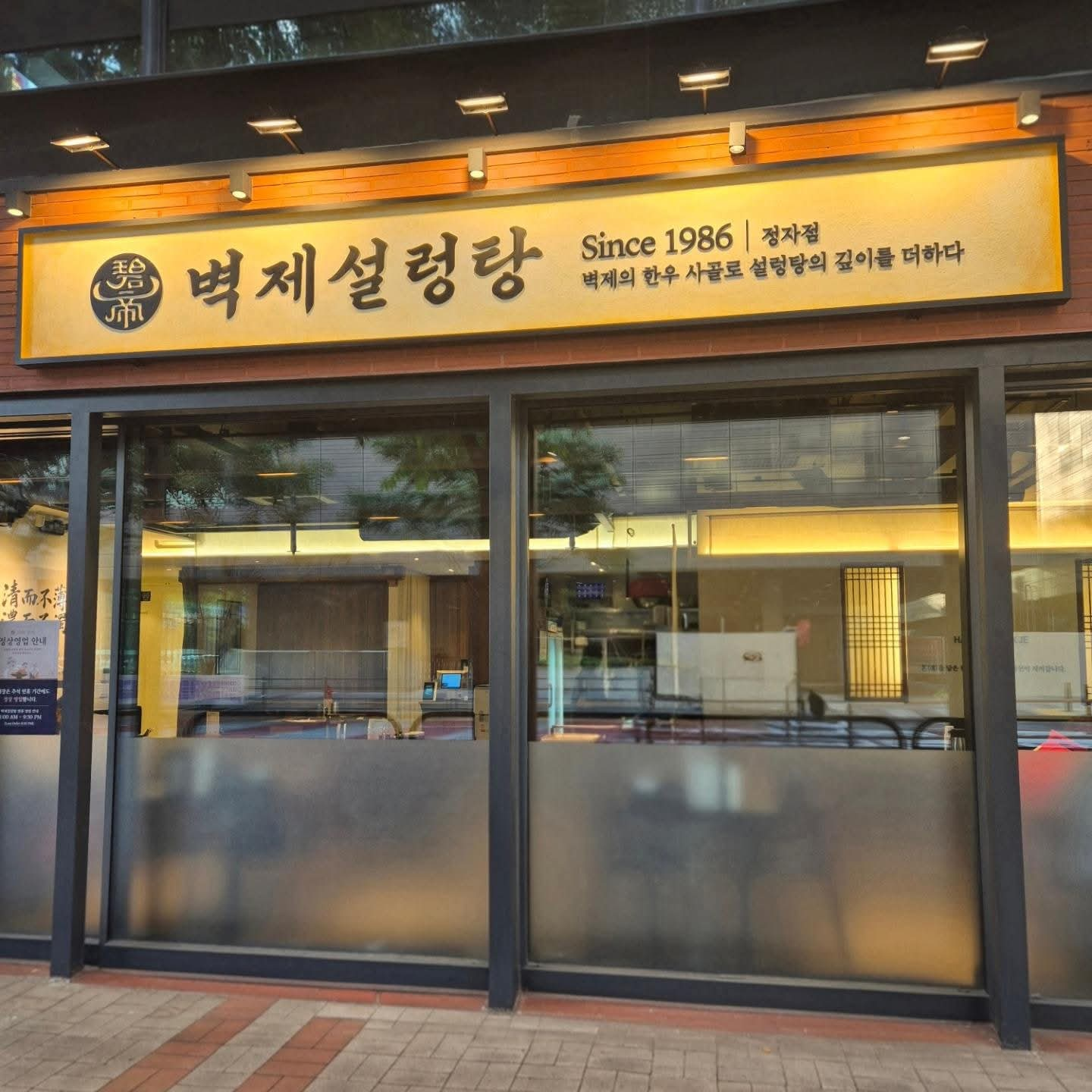
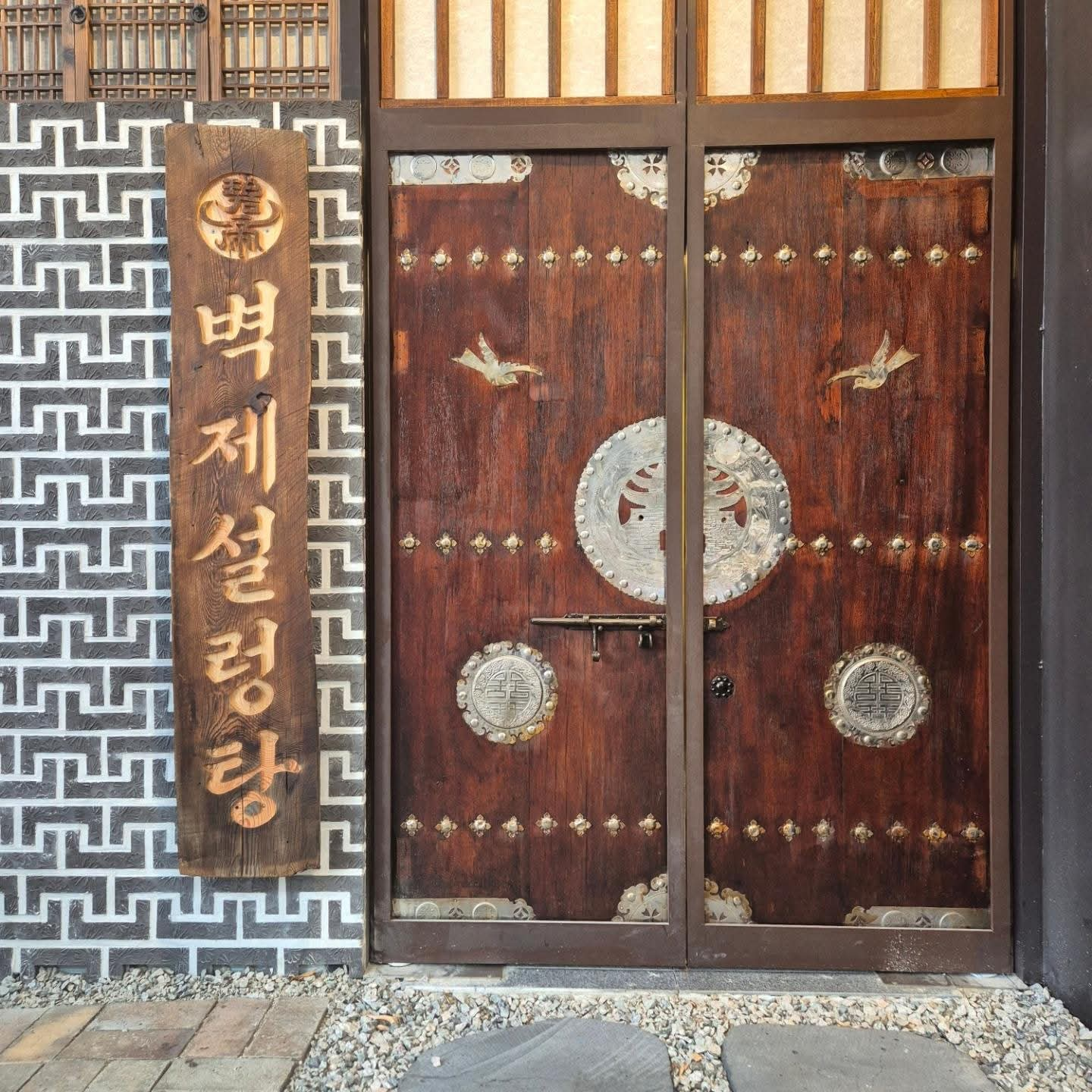
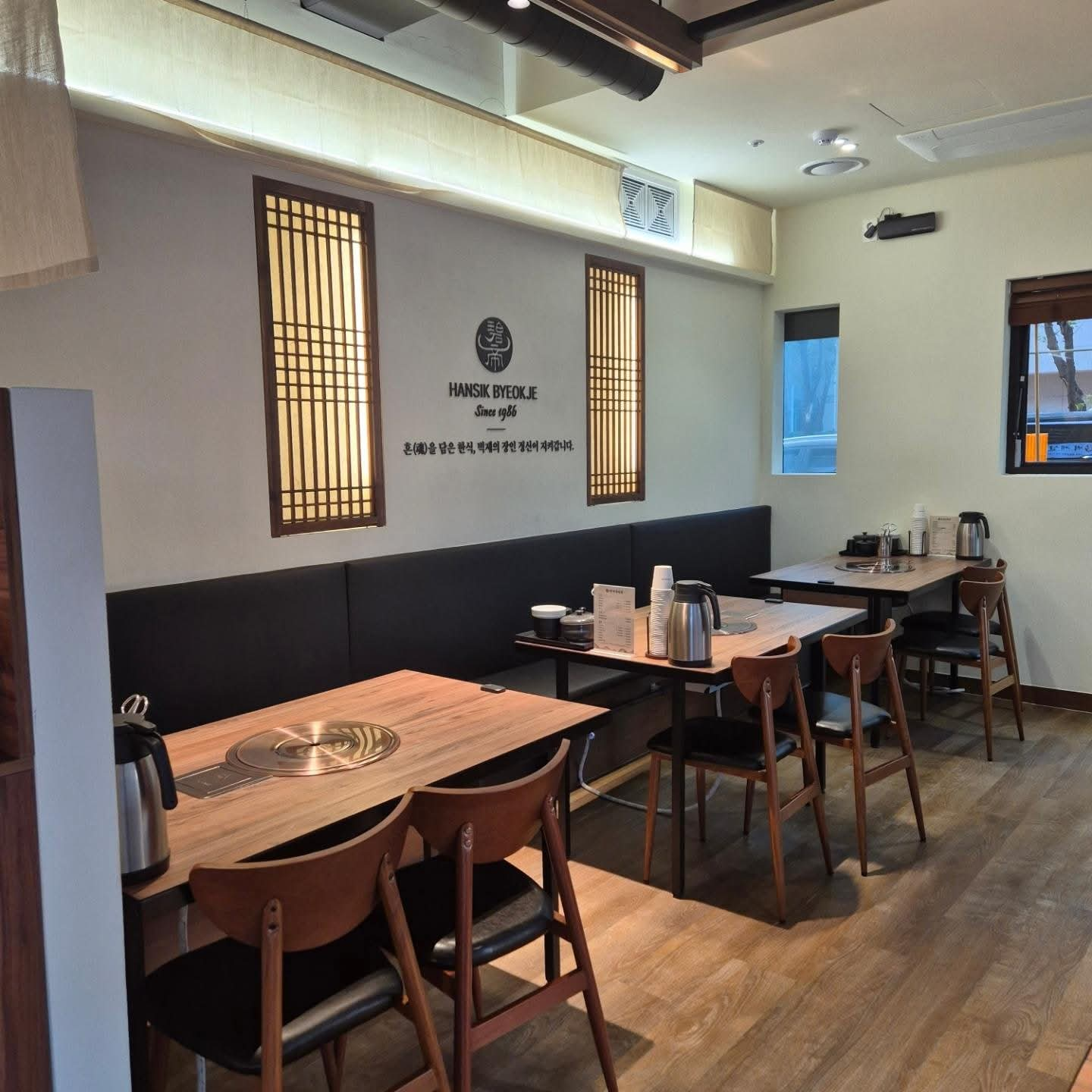
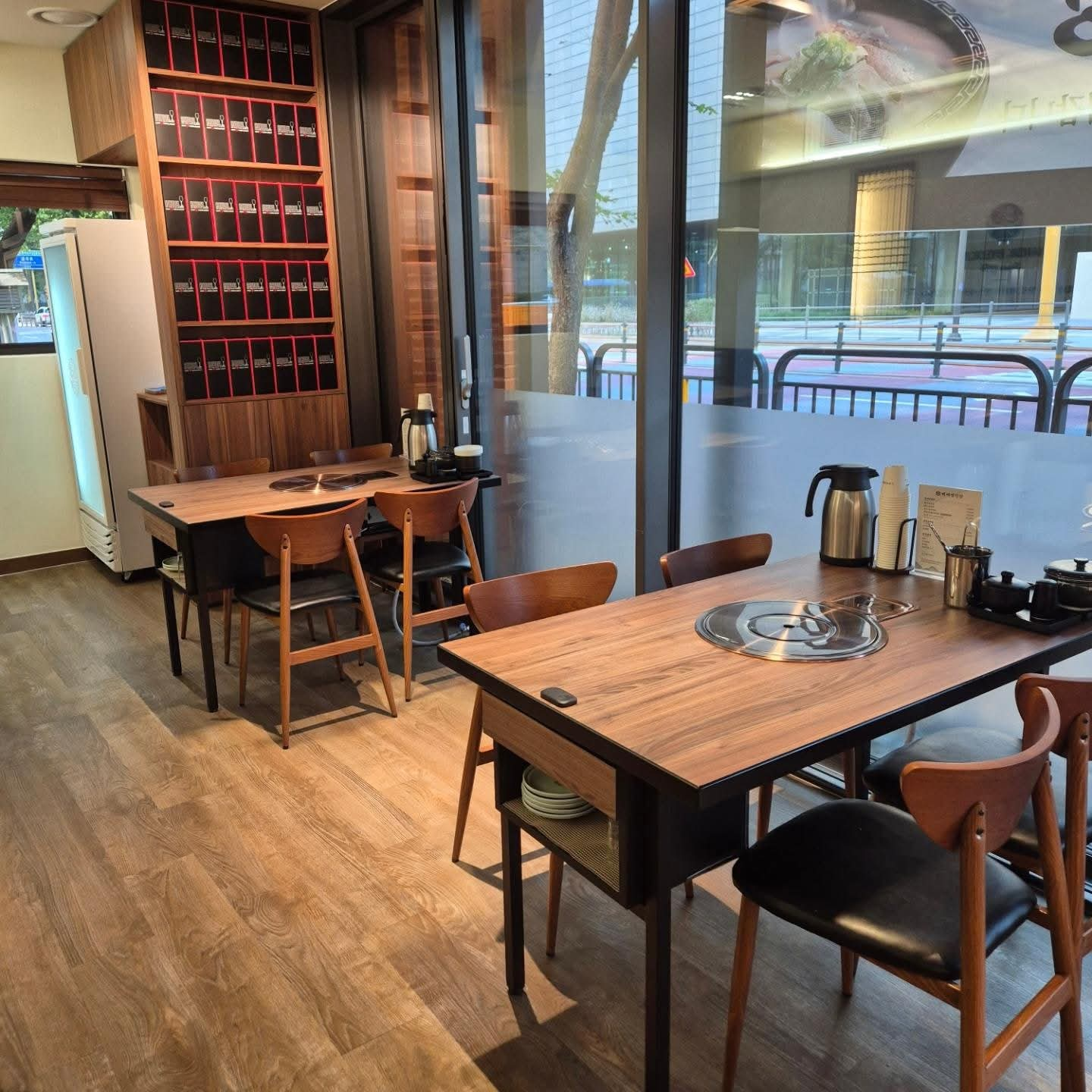
In announcing the return of Byeokje Seolleongtang, Tae-Hyun Kim began with his father’s belief that even a single bowl of soup deserved good beef, with no skimping on ingredients. The restaurant would return to Jeongja-dong in Bundang, to the very site where the last Byeokje Seolleongtang had stood. The main entrance to NAVER’s headquarters is directly across a two-lane street, a single crosswalk away.
That return adds a personal chapter to the story of Byeokje Galbi. From a restaurant in Seoul’s Sinchon neighborhood, the business grew into a premium Korean barbecue brand and broadened its reach through Bongpiyang, known for Pyongyang-style cold noodles and pork ribs. Founder Dr. Young-Hwan Kim, who holds a doctorate in business administration, built its reputation around exceptional beef and the people who could do it justice. His son’s account of seolleongtang, a traditional Korean beef-bone soup, reveals how much persistence those standards required.
Dr. Kim entered the restaurant business through an early venture in pizza. When he took over Byeokje Galbi in 1986, the Sinchon restaurant was losing money. Established operators such as Samwon Garden already had strong reputations, leaving a newcomer with little room for an undistinguished offering.
Dr. Kim concentrated on Hanwoo, beef from Korea’s native cattle. He sought out suppliers who could meet his standards and built the restaurant around the quality of the product. Service, tableware, and the dining room had to support the experience he wanted customers to have.
A high purchase price alone could not do that work. The beef had to be selected carefully, prepared correctly, and served by people who understood its value. Customers then had to find enough value in the meal to come back. That connection between purchasing, preparation, and hospitality became central to the brand.
Dr. Kim built the company through close attention to restaurant operations. His son brought new ideas about dining formats, organization, and management systems. Published accounts of the succession describe disagreements over investment and management, as well as efforts to establish a shared direction. The two generations had to decide which practices should evolve and which standards should remain.
The son’s reopening message gives that challenge a more intimate context. He recalled a time when customers were reluctant to pay a premium for seolleongtang, widely regarded as a quick, inexpensive meal. His father still insisted on good beef and generous use of ingredients. “Perhaps we were a little ahead of our time,” Tae-Hyun wrote.
In a separate social media comment, Dr. Kim recalled forty years spent seeking the flavor of Hanwoo’s terroir, the distinctive character of its place of origin. He remembered the pain of closing Hanwoo seolleongtang restaurants eleven times along the way. In his son’s account of Byeokje Seolleongtang’s return, he saw those painful memories captured in full. Dr. Kim expressed confidence that the relaunch would set a standard for Hanwoo seolleongtang and strengthen the brand. His appeal to readers was personal: “I hope you can feel and connect with what my son has written.”
As Tae-Hyun explained, the Byeokje Seolleongtang name had come off the storefronts, but the soup had stayed on the menu at Byeokje Galbi and Bongpiyang and remained available to enjoy at home. The specialist restaurants had closed; the taste and the standards had endured.
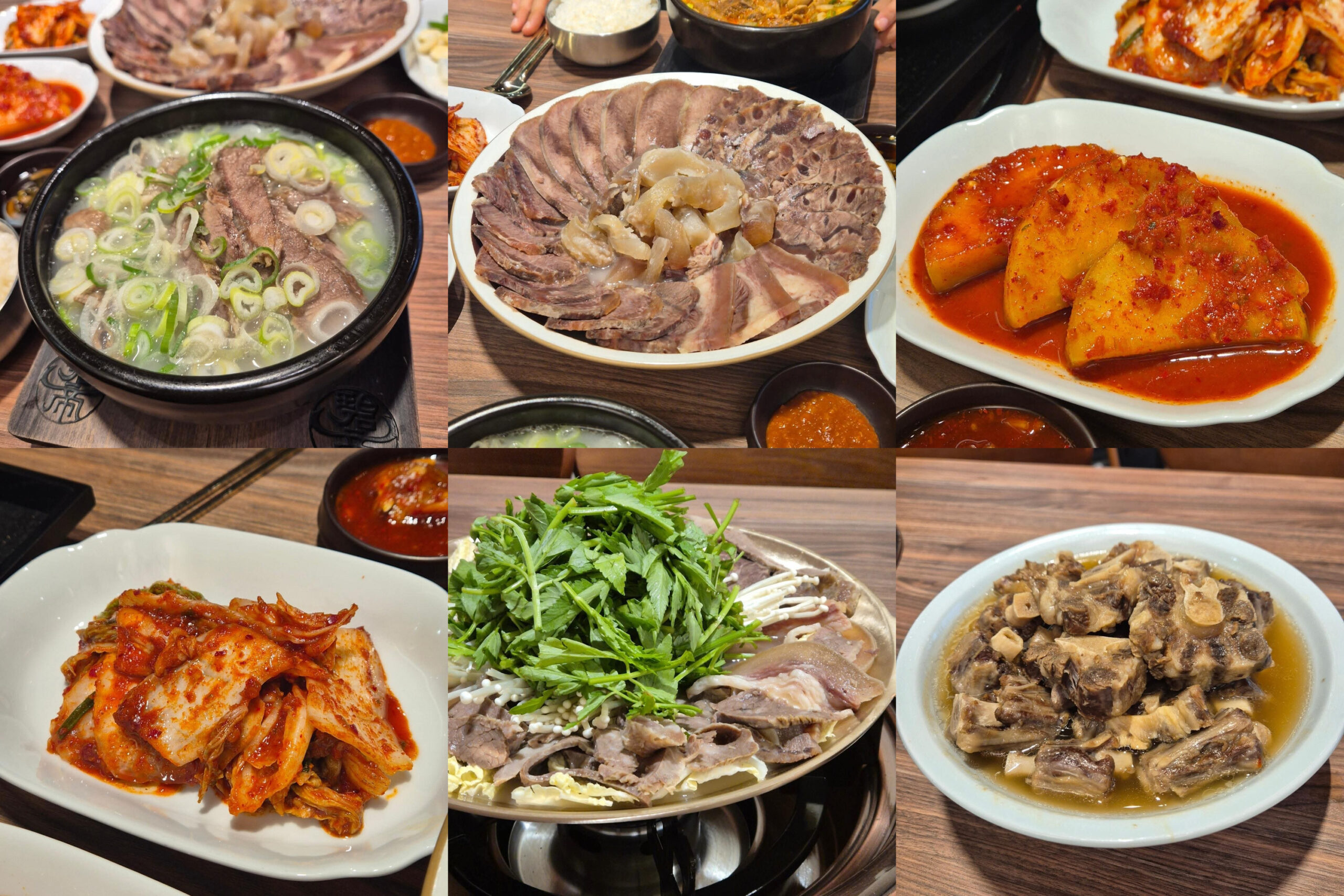
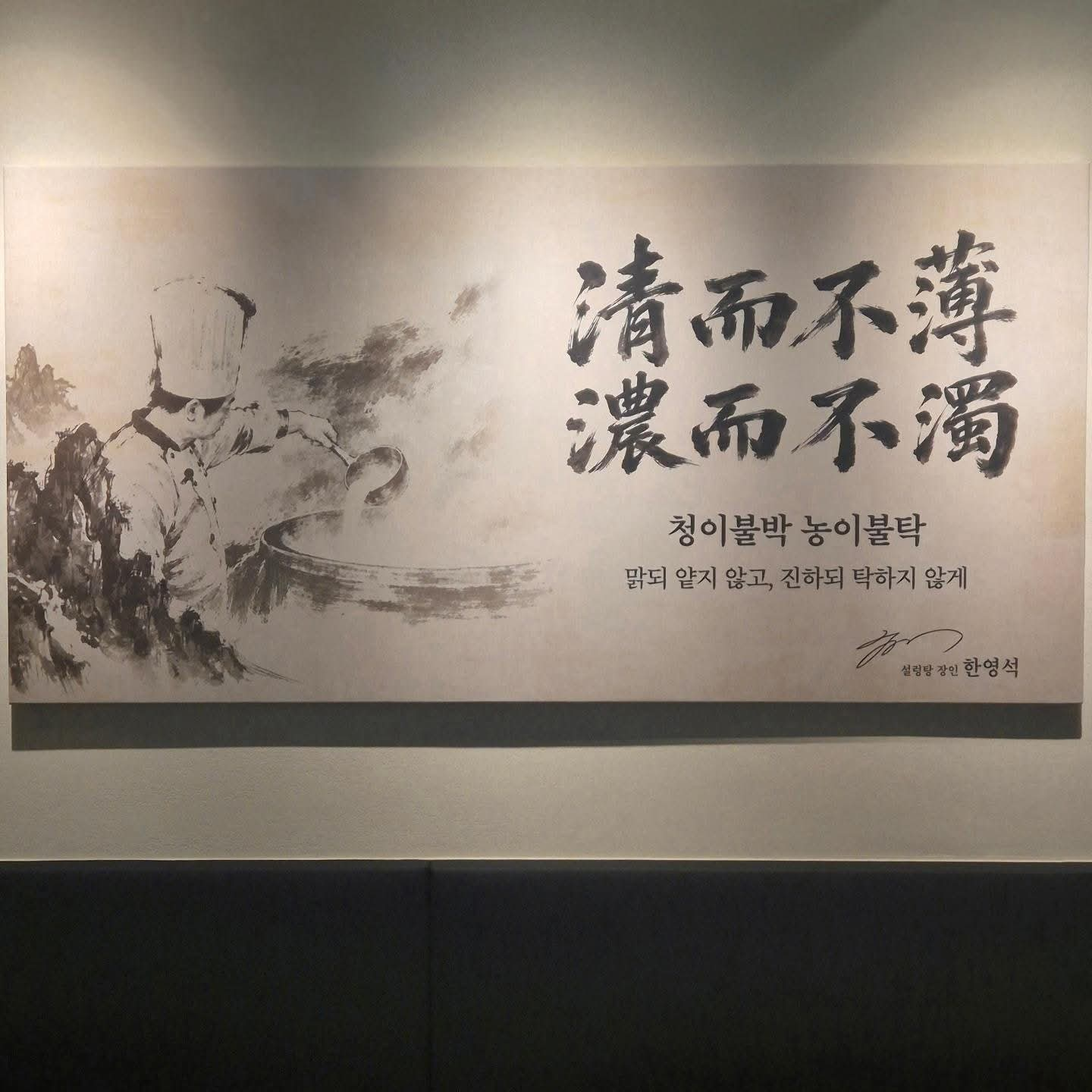
He saw an opportunity to return because, in his view, more diners now appreciate the ingredients, preparation, and value within a single bowl. His description was precise: a broth with depth and clarity, carefully handled Hanwoo, rice, and kimchi. Every part had to earn its place. The entire bowl, he wrote, should be worth what the customer pays.
Returning to the same address gave that ambition particular meaning. Tae-Hyun wanted to carry forward the care his father’s generation had put into the food while reconsidering how today’s guests could experience it. For a family business, this is succession at its most concrete: giving inherited standards a form the next generation can sustain.
Premium beef reaches its potential through skilled hands. A specialist must understand the cut, assess its condition, and prepare it properly. The same principle applies to a clear broth, a bowl of noodles, or the timing of service at a busy table.
Byeokje Galbi has long recognized master craftspeople in specialties ranging from beef preparation to seolleongtang and cold noodles. Their accumulated knowledge helps preserve the character of the food. Passing those methods to younger employees helps the business carry that knowledge beyond any one individual.
Formal training and production systems support this work. Reporting on the company describes dedicated beef purchasing and facilities for preparing meat, soups, noodle broth, and kimchi. These investments help translate individual expertise into more consistent food across locations.
That is the commercial value of craftsmanship. The quality of a raw ingredient becomes something a customer can taste, recognize, and trust. A restaurant can buy equipment and open another location far faster than it can develop that depth of experience.
Overseas expansion tested the business in different ways. Its history includes setbacks in Singapore and efforts to enter the Middle East. A reputation earned in Korea could open a conversation, but each market still required a workable business model.
For a restaurant operator, that means understanding local dining habits and making sure sourcing, staffing, and service can support the intended experience. The customer must have a clear reason to choose the restaurant at the price it needs to charge.
In Korea, Byeokje Galbi The Cheongdam reflects a further effort to develop the dining experience around the food and the people who prepare it. The broader challenge is to give established expertise a form that new customers can appreciate. That requires change while keeping the standards that give the brand its credibility.
A restaurant that serves a community for 10 or 20 years builds relationships, supports jobs, and accumulates knowledge that a new opening cannot immediately reproduce. Repeat business gives those investments a chance to support the company over time.
Byeokje Galbi’s story points to a useful question for restaurant owners and investors considering expansion: can another team deliver the experience customers value? Purchasing standards must be clear, skills must be teachable, and managers must be able to recognize when quality is slipping. Those capabilities give a brand a stronger basis for growth.
For Tae-Hyun, that responsibility comes back to the question at the heart of his reopening message: “What should a good bowl of seolleongtang be?”
“My father began asking that question long ago,” he wrote. “Now we hope to answer it again with a bowl of soup.”
Sources
Tae-Hyun Kim | Date not provided
Reopening announcement for Byeokje Seolleongtang in Jeongja-dong, Bundang. Korean text supplied in a Word document; quotations translated into English. Instagram link inaccessible during review.
Dr. Young-Hwan Kim | Date not provided
Social media comment supplied as a screenshot. Dr. Kim recalls seeking the taste of Hanwoo’s terroir and closing Hanwoo seolleongtang restaurants eleven times over forty years. Quotation translated into English.
Hankyung MONEY | March 11, 2015
Interview with Dr. Young-Hwan Kim and Tae-Hyun Kim on premium Korean dining and family succession
Sisa Magazine | October 7, 2011
Profile of Tae-Hyun Kim on management systems and international ambitions
Chosun Biz | September 5, 2017
Company profile covering employee development, purchasing, and production facilities
TOPCLASS | April 2008
Interview with Dr. Young-Hwan Kim on beef quality, the early business, and culinary expertise
Foodbank | December 26, 2011
Feature on Byeokje Galbi and its master craftspeople
Korea Publication Industry Promotion Agency | 2026
Publisher description, contents, and excerpts for Hwang Joo-yoon’s history of Byeokje Galbi, published by Tabi on April 6, 2026
NAVER Corporation | Reviewed September 30, 2026
Official contact information lists NAVER’s headquarters at 95 Jeongjail-ro, Bundang. Page content retrieved through web search.
Editorial clarification | September 30, 2026
The restaurant’s position across a two-lane street and crosswalk from NAVER’s main entrance, and Dr. Kim’s doctorate in business administration, were supplied by the author.