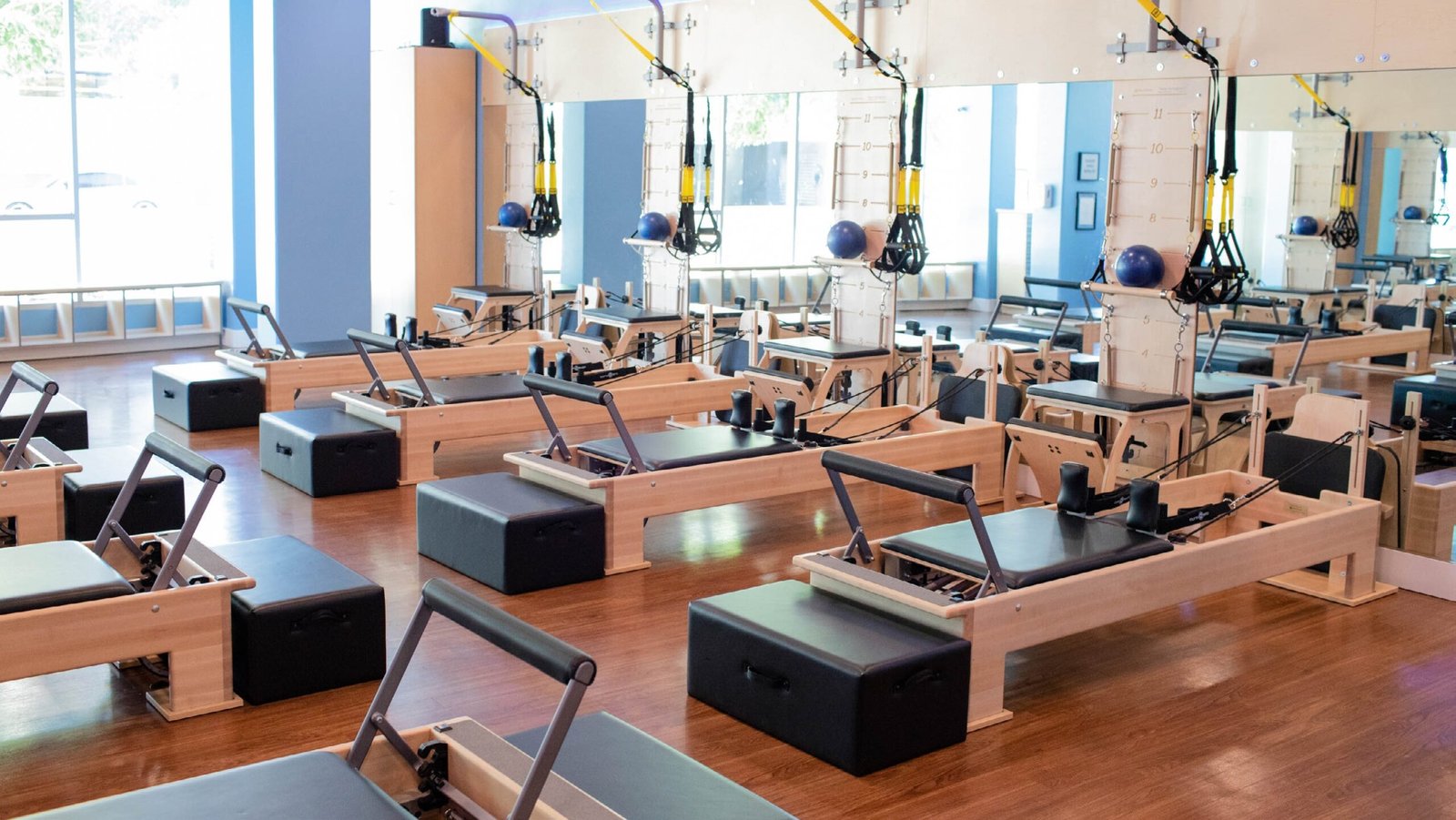
The short answer. A Club Pilates franchise suits an operator who wants to run a membership business built on a standardised, equipment-led product: small-group Reformer Pilates classes, delivered on 12 reformers per class, inside a studio designed and fitted to a franchisor playbook. The brand is the largest in its category, with more than 1,500 studios open and over 600 more in development across the US, Canada and international markets, according to VF’s brand profile. Whether it is a good franchise for you depends less on the brand’s scale and more on three local questions: can you secure the right real estate, can you recruit and retain certified instructors, and can you run a disciplined membership sales operation in your market. This guide works through each one for investors in Southeast Asia and the Gulf.
Club Pilates was founded in 2007 and is the founding brand of Xponential Fitness. It describes itself as the first and largest Pilates franchise to offer small-group classes on reformers. The method stays close to Joseph Pilates’ original “Contrology” principles, but the delivery is modern: low-impact, full-body classes on reformer machines, positioned for complete beginners as well as experienced practitioners.
The brand has been recognised on Entrepreneur’s Franchise 500 list for eight years and on the Inc. 5000 list in multiple years. Our earlier reports on Club Pilates passing 1,500 studios and its 70-unit franchise agreement track how the network reached that size.
A reformer studio is a capacity-constrained product. Each class has a fixed number of machines, so revenue depends on filling a timetable of classes rather than on selling open-access floor space. That makes the model closer to a scheduled-service business than to a conventional gym, and it shapes almost every operating decision, from instructor rostering to the size of the studio you lease.
Use the following checklist before you open discussions on any Club Pilates franchise opportunity in Asia Pacific or MENA:
The franchise does not require the owner to be a Pilates teacher. It does require an owner who can build and manage a team of instructors, a general manager and a sales staff. The table below summarises how common investor profiles in our region line up against the model. It is a qualitative fit guide, not a statement of territory availability.
| Investor profile | Strengths for this model | Gaps to close |
|---|---|---|
| Multi-brand F&B or retail group | Mall relationships, site selection, multi-unit operating systems | Fitness sales culture and instructor management |
| Existing gym or wellness operator | Membership sales, fitness staffing, customer base | Brand-standard design and a reformer-specific class product |
| Family office or private investor | Patient capital for a multi-studio rollout | Needs an experienced operating partner or general manager |
| Real estate developer | Access to premium sites in new mixed-use projects | Day-to-day operating expertise in fitness services |
For a wider view of how franchisors assess partners, see how international franchisors choose a master franchisee in Asia Pacific and MENA.
Because class capacity is fixed by the number of reformers, site selection carries more weight than in many service franchises. VF’s brand profile notes that the franchisor’s real estate team assists with site selection and lease negotiation. In practice, investors in Southeast Asia and the Gulf should assess:
The support package described on VF’s brand page covers the stages where new operators usually struggle:
Readers comparing boutique concepts may find our Physique 57 operator profile a useful contrast: a different method, with its own instructor-certification demands.
A branded, systemised reformer studio product answers a common investor concern: how to deliver a consistent premium class experience at scale. Our fitness franchise guide for Asia Pacific and our analysis of Pilates franchise opportunities in the GCC set out the demand drivers and the competitive landscape in more detail. For the structure of a regional deal — single unit, area development or master franchise — see master franchise vs area development vs joint venture.
Territory availability for Club Pilates is confirmed case by case. Investors interested in a specific country or city should ask VF for the current position rather than assume a market is open.
No. The model expects the owner to lead the business and recruit qualified instructors, with franchisor support for hiring and training.
VF publishes the brand’s minimum investment level in the capital-commitment criterion above. Contact VF for the full brief and the terms that apply to your market.
Availability depends on the country and is confirmed case by case. VF can advise on the current status for a specific market.
It sells scheduled small-group reformer classes rather than open-access gym floor time, so revenue depends on class utilisation and recurring memberships. Our Crunch Fitness franchise guide shows the full-size gym model for comparison.
VF works with investors across Asia Pacific and MENA to assess brand fit before any commitment is made. Earlier guidance on this brand remains available in our Club Pilates territory rights overview.
Official franchise information: Own a Club Pilates.
Email: info@vffranchiseconsulting.com | Hotline: +84 90 306 54 58
Author: Sean T. Ngo, CEO and Co-founder of VF Franchise Consulting.