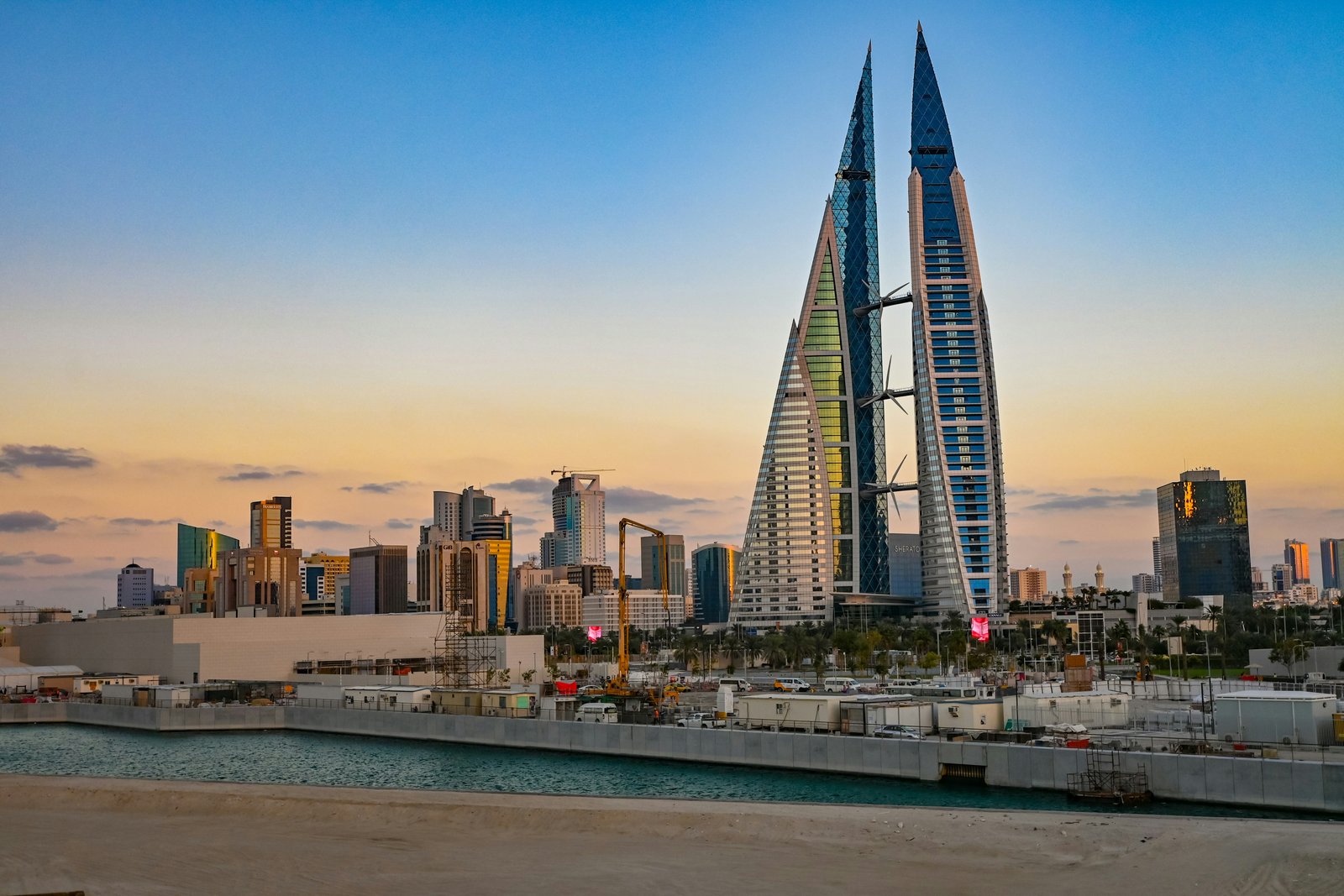
The short answer. Bahrain is one of the more open markets in the Gulf for a foreign franchisor or franchise investor. Current law permits 100% foreign ownership for the large majority of commercial activities, companies register online through the Sijilat portal run by the Ministry of Industry and Commerce (MOIC), and the commercial agency regime does not require exclusivity. The structural decision that matters most is not whether a brand can enter Bahrain but how: through a direct subsidiary, a registered local agent or distributor, or a master franchisee that already operates across the Gulf. This guide covers the legal framework, the entry routes, the sectors where franchise formats fit, and what to check before signing.
Bahrain does not have a stand-alone franchise statute of the kind found in some Asia Pacific markets. Franchise and distribution relationships are shaped mainly by the Commercial Agency Law No. 10 of 1992 (as amended) and its Implementing Regulation No. 2 of 1993, read alongside the Law of Commerce (Legislative Decree No. 7 of 1987) and the Civil Code No. 19 of 2001, according to a legal update by regional law firm Al Tamimi & Co.
Four points from that framework matter to franchisors:
Whether a particular franchise agreement is treated as a registrable agency or distributorship is a fact-specific question. Treat it as the first item to confirm with Bahraini counsel, because the answer drives both registration and exit planning.
The Chambers Investing In 2026 guide for Bahrain, updated in January 2026 by Al Tamimi & Co., states that Bahrain law permits 100% foreign ownership for “the vast majority of commercial activities”. Exceptions remain. Some activities are reserved entirely for Bahraini owners; others, including authorised distribution and bread making, require 51% Bahraini or GCC ownership; and many sale and trade activities require at least one share to be held by a Bahraini or GCC entity.
Companies obtain a Commercial Registration through Sijilat before trading, and foreign individual investors go through a security screening by the Ministry of Interior. For a franchise brand, the practical point is that the licensed activity code chosen at registration decides which ownership rule applies, so it should be settled before the deal structure is finalised.
| Entry route | How it works | Best suited to | Key question to resolve |
|---|---|---|---|
| Direct subsidiary | Franchisor or investor sets up its own company via Sijilat | Brands that want operating control and qualify for full foreign ownership | Which activity code applies, and does it carry a local-shareholding condition? |
| Registered local agent or distributor | A 51% Bahraini-owned company registers the agreement with the ministry | Product-led brands and retail concepts relying on local distribution | How termination compensation will be handled at exit |
| Single-market master franchise | A Bahraini operator holds development rights for the kingdom | F&B and service brands needing local real estate access | Whether the agreement falls under the agency regime |
| Multi-country Gulf master franchise | A regional group covers Bahrain alongside other GCC markets | Brands seeking scale across several Gulf markets at once | How development schedules and performance are measured per country |
Our recent report on Primark’s Bahrain and Qatar opening dates shows how a regional operator can sequence Bahrain within a wider Gulf rollout. For the trade-offs between these structures in detail, see master franchise vs area development vs joint venture.
Bahrain is a compact market, which shapes the sector choice. Concepts that work well in a small, mall-centred market with a mix of residents and visitors tend to be the most natural fit:
Partner selection carries the most risk in any Gulf entry. Before signing, a franchisor should verify:
Our guide to how international franchisors choose a master franchisee sets out a fuller qualification framework.
Each GCC market treats agency, ownership and franchising differently, and brands often plan Bahrain alongside one or more neighbours. Our country guides cover Saudi Arabia, the UAE, Qatar, Kuwait and Oman, so investors can compare entry routes and partner structures market by market.
Not a stand-alone statute. Franchise and distribution relationships are shaped mainly by the Commercial Agency Law No. 10 of 1992, as amended, together with the Law of Commerce and the Civil Code. Confirm how your agreement is classified with local counsel.
For the large majority of commercial activities, yes. Some activities carry Bahraini or GCC ownership conditions, so check the activity code before you structure the deal.
A distributorship agreement should be registered with the ministry under Article 13 of the Agency Law. Without it, claims under the Agency Law are not available. Whether your franchise agreement needs registering depends on how it is classified.
No. Bahrain does not require exclusivity for commercial agency agreements, which gives franchisors more flexibility than some neighbouring markets.
For more on company registration and current procedures, see the Bahrain Ministry of Industry and Commerce.
This article is general information, not legal advice. Confirm current requirements with the Ministry of Industry and Commerce or Bahraini counsel before acting.
Email: info@vffranchiseconsulting.com | Hotline: +84 90 306 54 58
Author: Sean T. Ngo, CEO and Co-founder of VF Franchise Consulting.