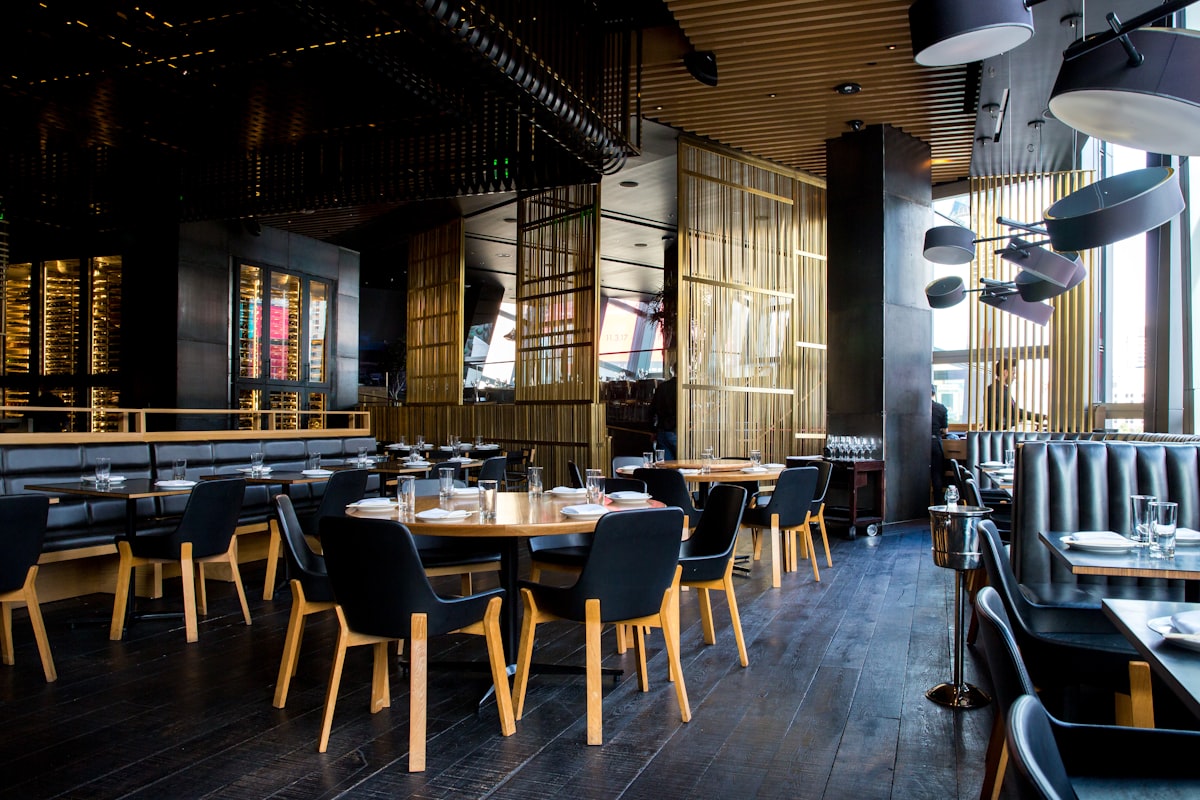
The food and beverage franchise sector continues to be one of the most dynamic and investable segments of the global franchise industry. From quick-service restaurants (QSR) and fast-casual concepts to specialty coffee chains and premium dining formats, F&B franchise opportunities in 2026 offer a compelling mix of brand recognition, proven operating systems, and scalable business models.
Whether you are a first-time franchisee exploring single-unit ownership or a seasoned investor evaluating master franchise agreements for an entire market, understanding the fundamentals of F&B franchising is essential to making informed decisions and maximizing returns.
Food and beverage franchises benefit from several structural advantages that make them attractive to investors worldwide. Consumer demand for dining out and convenience-oriented food services has rebounded strongly, with global foodservice revenue projected to exceed $4 trillion in 2026 according to industry analysts.
Key factors driving F&B franchise growth include rising urbanization and middle-class expansion in emerging markets, the proliferation of delivery platforms that extend brand reach beyond physical storefronts, increasing consumer preference for branded and standardized dining experiences, and the maturation of franchise support ecosystems including supply chain management, digital marketing, and technology integration.
Brands like Hooters, Abiko, AsserTime, PizzaExpress, Texas Roadhouse, and Jaggers and are all examples of established F&B concepts expanding through franchise models in 2026.
Not all food and beverage franchises are created equal. Before committing capital, prospective franchisees should conduct rigorous due diligence across several dimensions.
Request the franchisor’s Franchise Disclosure Document (FDD) and study Item 19 (Financial Performance Representations) carefully. Key metrics to analyze include average unit volume (AUV), food cost as a percentage of revenue, labor cost ratios, four-wall EBITDA margins, and the typical payback period for initial investment. A strong F&B franchise should demonstrate consistent same-store sales growth and healthy unit-level economics across diverse markets.
Evaluate the brand’s competitive positioning within its segment. Is it a category leader or a challenger brand? What is its consumer awareness level in your target market? Strong brands invest heavily in marketing, menu innovation, and customer experience — all of which directly impact franchisee profitability.
A reliable supply chain is critical for F&B franchise success. Assess the franchisor’s distribution network, approved vendor relationships, and contingency plans for supply disruptions. The best franchisors also provide comprehensive operational training, technology platforms for inventory and labor management, and ongoing field support.
Understand the territory structure being offered. Exclusive territory rights, area development agreements, and master franchise agreements each carry different rights, obligations, and growth trajectories. For investors targeting international markets, franchise investment in Asia and the Middle East represents particularly high-growth opportunities due to favorable demographics and increasing consumer spending.
Several trends are reshaping the food and beverage franchise landscape this year.
Traditional full-service restaurant brands are increasingly launching quick-service and fast-casual formats to capture new customer segments and reduce real estate costs. These streamlined models often feature smaller footprints, simplified menus, and lower initial investment requirements, making them accessible to a broader range of franchisees.
From AI-powered demand forecasting and automated ordering systems to digital loyalty programs and ghost kitchen integrations, technology is becoming a core differentiator for F&B franchises. Franchisors that invest in proprietary technology platforms give their franchisees a measurable competitive advantage.
Consumer preferences are shifting toward healthier, more transparent food options. F&B franchise concepts that emphasize fresh ingredients, customization, allergen transparency, and sustainable sourcing are capturing market share from legacy brands that have been slower to adapt.
Sophisticated franchisees are increasingly building portfolios across multiple F&B brands, leveraging shared back-office infrastructure, real estate expertise, and management talent to drive economies of scale. This trend is particularly visible in the fitness and wellness franchise space as well, where operators like CR Fitness Holdings have scaled rapidly through multi-unit development.
Before signing any franchise agreement, ensure you have thoroughly reviewed the total initial investment including buildout, equipment, and working capital requirements. Understand the ongoing royalty and marketing fund contribution structure. Verify the franchisor’s track record on franchisee satisfaction, litigation history, and system-wide turnover rates. Engage an experienced franchise attorney to review all legal documents, particularly territorial exclusivity clauses, renewal terms, and exit provisions.
The F&B franchise sector offers tremendous opportunities for investors who approach it with discipline, thorough due diligence, and a long-term perspective. Whether you are exploring a single-unit QSR investment or a multi-unit area development deal, the fundamentals of sound franchise evaluation remain the same: strong unit economics, a differentiated brand, robust operational support, and favorable market conditions.
For expert guidance on evaluating F&B franchise opportunities across global markets, consult with a qualified franchise advisor who can help you navigate the complexities of franchise agreements, territory selection, and investment structuring.